The Litter Box Journey: Why One Size Doesn't Fit All, Forever
Picked that perfect starter litter for your tiny kitten? Did you think, "Job done for the next 15 years!"? Hold that thought. Many owners assume their first litter choice is permanent. User experiences overwhelmingly show this is rarely true. Litter suitable for a clumsy kitten often becomes a nightmare for a regal senior cat. Countless owners discover this reality the hard way. One owner shared a common story. Her adult cat suddenly started peeing on the mat after years of perfect box habits. The 'kitten-soft' paper pellets he once accepted now felt like walking on marbles to his older paws.
Your cat's journey from kittenhood to golden years brings many changes. Physical abilities alter. Sensory perceptions shift. Even preferences evolve quite dramatically. Think about it. That bouncy kitten played in almost anything. They grow. They become an adult cat with strong opinions. Then, perhaps, a senior cat emerges. Their joints might ache a little more each day. Their world changes. So must their bathroom.
Ignoring these evolving litter needs can create real frustration. It often leads to those dreaded out-of-box accidents. Sometimes, it contributes to health niggles for your cat. We see countless user reports. A simple litter switch, timed with these life changes, often solved baffling behaviors. It restored peace to many households. Understanding your cat’s changing requirements is key.
So, how do you navigate this ever-changing litter landscape? That is precisely what Cat Litter Hub explores next. We will examine each life stage. Real experiences from thousands of cat parents guide our detailed insights. We translate their collective wisdom into clear, actionable advice for you and your feline friend.
Kittenhood (0-12 Months): Soft Paws, Curious Noses, and Safety First!
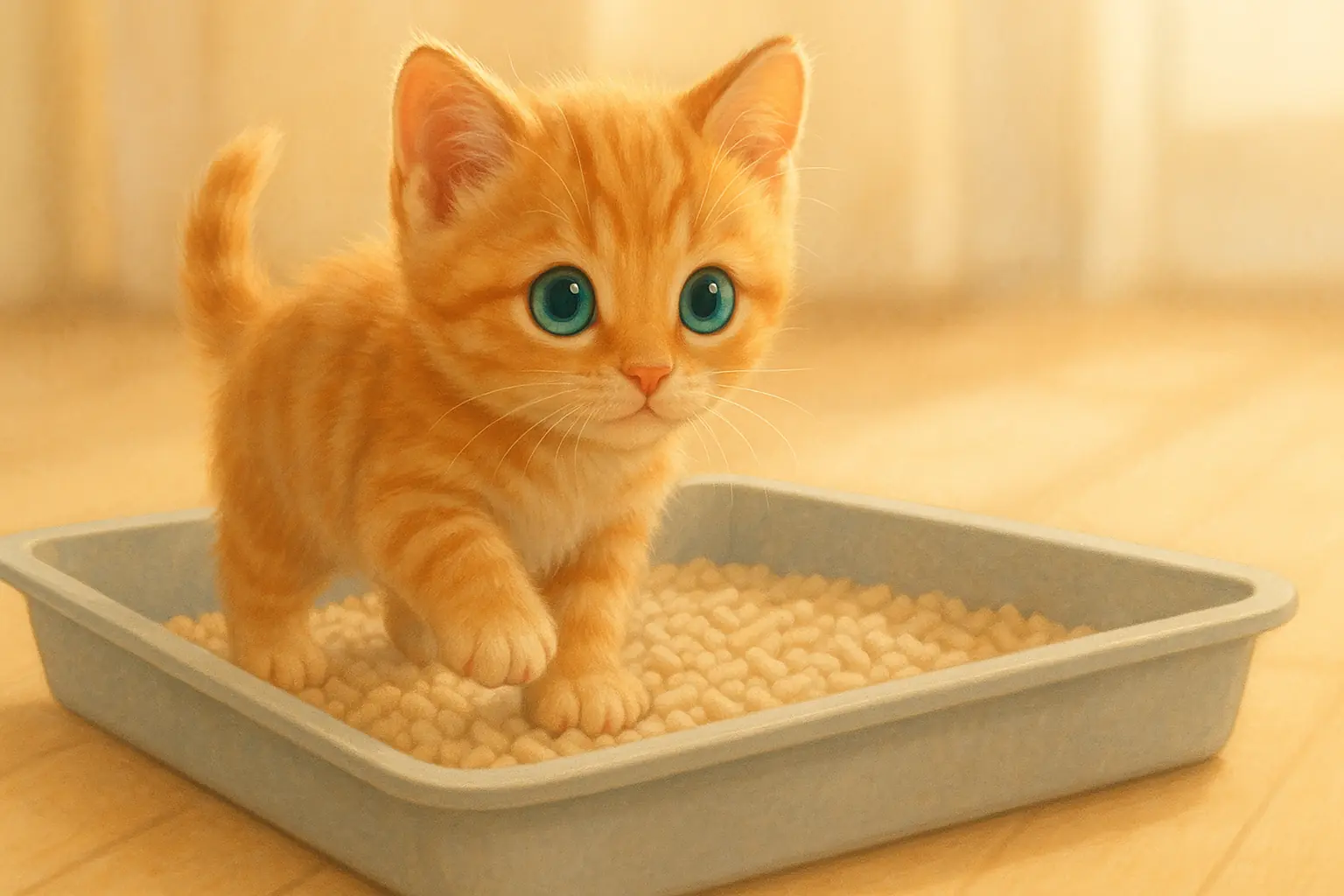
Your new kitten views the world. One giant chew toy, right? That perspective includes the litter box. User experiences overwhelmingly stress one crucial point, often echoed by veterinary advice: absolutely NO clumping litters for these little explorers. The ingestion risk remains very high. Internal blockages pose a serious danger. Some owners unfortunately discover this through an emergency vet bill. One owner shared their relief. "I was terrified when my Fluffy started nibbling his clumping litter," they recounted. "Switched to plain paper pellets immediately!" Safety is the top priority.
Imagine those tiny, delicate kitten paws. User experiences confirm soft, fine-grained litters earn much warmer receptions. Paper pellets are a popular choice. Specific non-clumping clays also work well. Coarse or sharp materials often cause box avoidance. And perfumes? "A total turn-off for my furball," is a common refrain within the community. Unscented litter is truly king for kittens. Many owners report their kittens sneezing near scented litters. Others observe kittens avoiding boxes with strong artificial smells.
Kittens dig. With impressive gusto! Low-dust options are a frequent user recommendation. These choices protect developing tiny lungs. The litter box itself needs thought. Users often share tips about shallow pans. DIY low-entry solutions also prove popular. Tiny legs should not face an impossible climb for potty time. "My little explorer couldn't even climb into the regular box at first!" one owner shared, a common early challenge.
A positive first litter experience, many users report, makes training much smoother. Gentle encouragement matters. The right, comfortable setup becomes your best ally. Kittens learn fast. They learn when they feel safe and thoroughly comfortable.
Adulthood (1-7 Years): Established Habits, Strong Preferences, and the Quest for Perfection
Your adult cat has routines. Their litter choice is central. Many users repeat a clear mantra. "If it ain't broke, don't fix it!" they stress. Try switching their beloved brand suddenly? "Prepare for a protest," owners frequently warn. Some protests are even dirty. Users share many tales of strategic out-of-box incidents. Cats know.
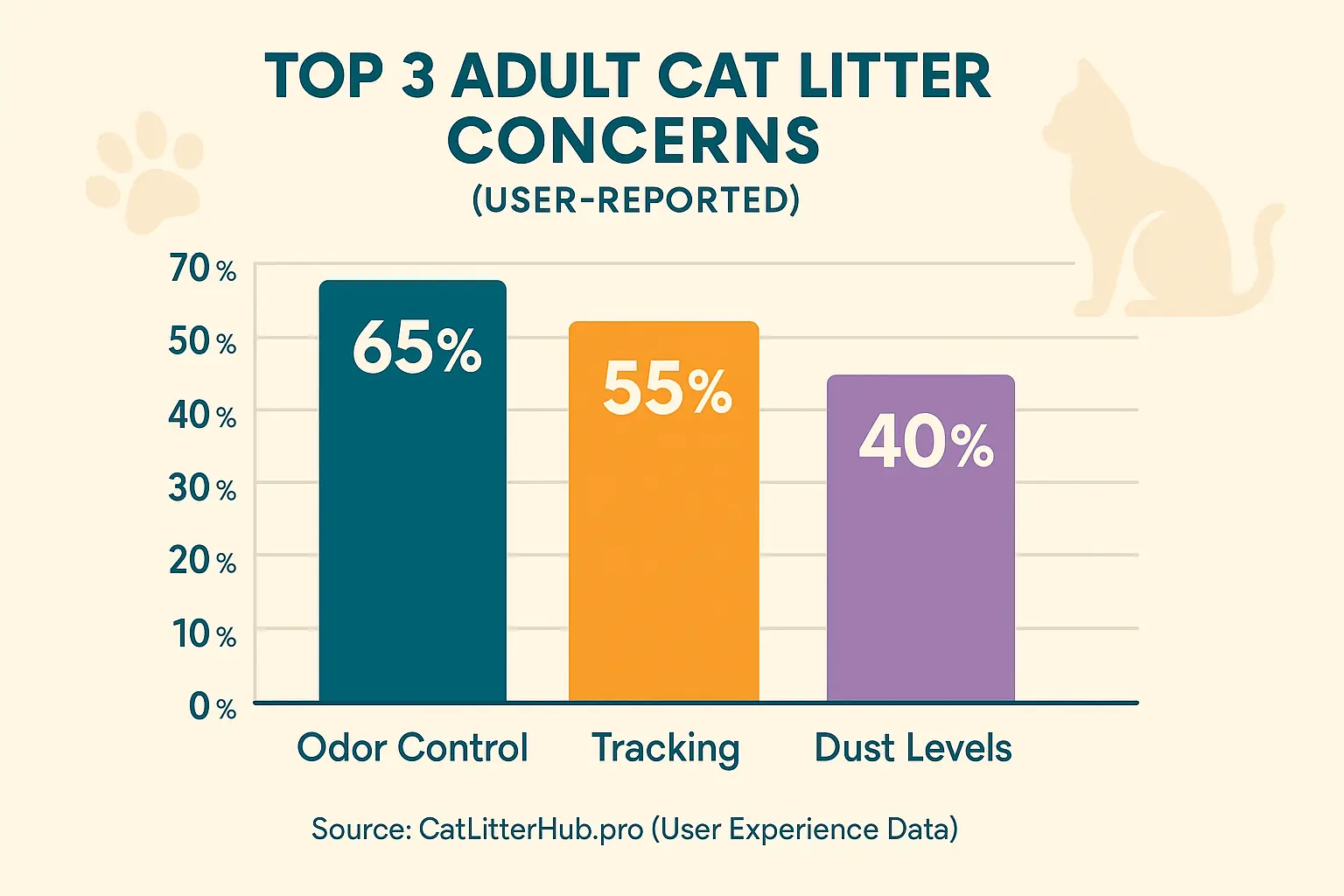
Clumping clay remains popular. Its ease of cleaning is key. "Scooping solids is a breeze," many report. We see a growing chorus of users exploring low-dust natural options. This often occurs if their cat develops sensitivities. Dust or perfumes can be culprits. Odor control? That is the holy grail for most adult cat homes, sparking endless user debates.
The battle against litter box odor is real. Users share countless stories. Triumphs. Failures. They frequently point to specific litter brands or types. These genuinely make a difference, especially in multi-cat households. And tracking? "It's like glitter, but less fun and far more annoying," one user lamented. This owner described their daily battle with clay fines. These particles seem to teleport across the house.
This adult stage is often about fine-tuning. Owners constantly weigh factors. Performance matters. Their cat's happiness is crucial. Owner convenience also plays a big part. They search for that elusive perfect litter balance. This quest is a journey well-documented in thousands of user reviews and forum posts we've analyzed.
Senior Years (7/10+): Prioritizing Comfort, Easy Access, and Health Monitoring
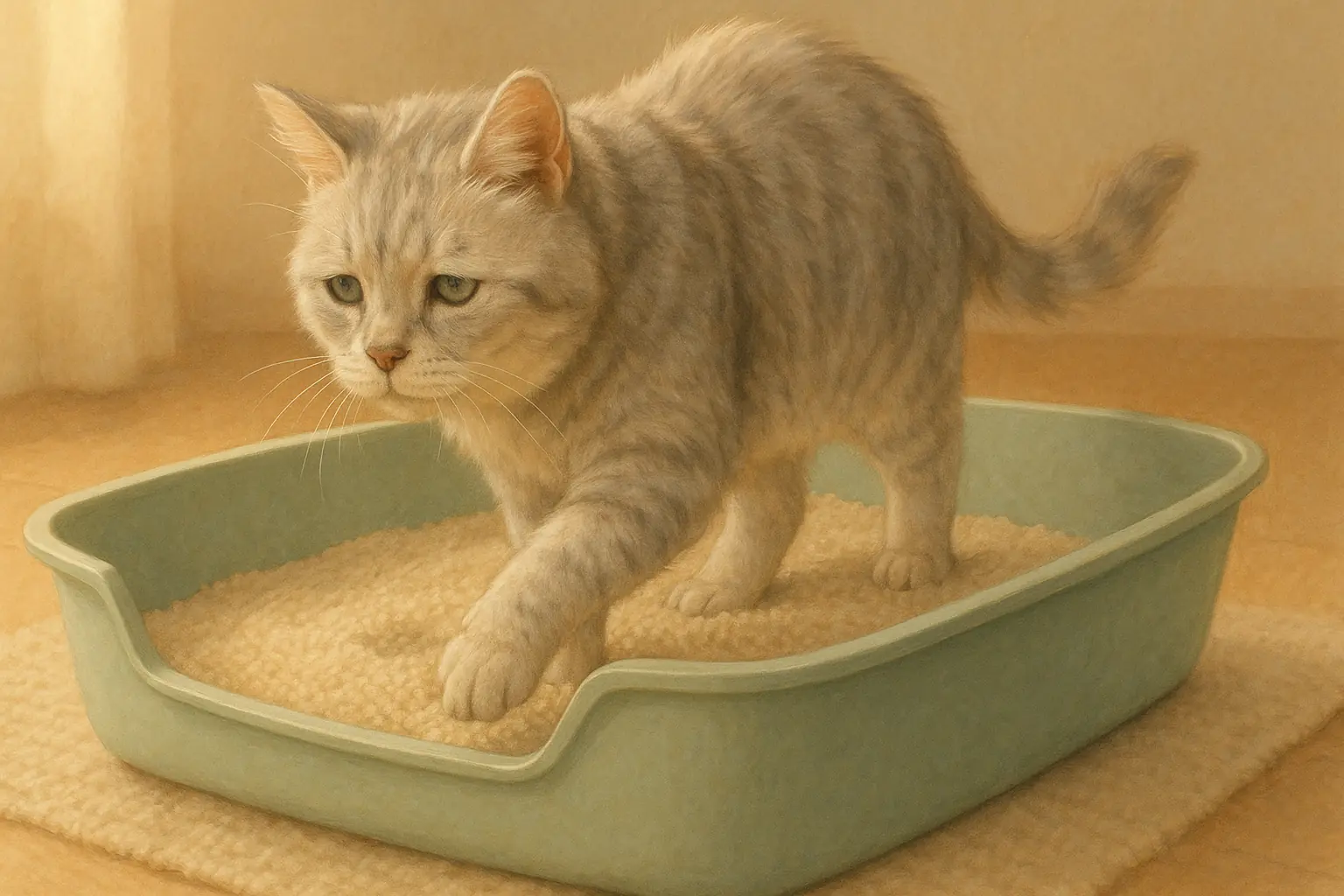
Those golden years should be comfortable. Right? For our senior kitties, that comfort extends directly to their litter box. Many owners share how once-agile cats now hesitate before entering. They may flinch at coarse litter. Arthritis is a common culprit, users frequently report. Old favorite litters can become painful for them.
Softness underfoot becomes paramount for senior cats. Fine-grained, gentle litters earn high praise in countless user reviews. These textures get the senior seal of approval. Low-dust formulas are another non-negotiable for many senior cat owners. Older respiratory systems can be more sensitive, our analysis of feedback indicates. And easy access? Absolutely critical. Owners get creative. They build ramps. Some choose specially designed low-entry boxes. These adaptations make potty time a breeze for aging companions.
Some owners of senior cats explore health-monitoring litters. They hope for early warnings of potential urinary issues. User experiences here are quite mixed, our analysis of feedback shows. Some find peace of mind. Others report frustration from potential false alarms. These litters are tools, not diagnoses; always consult your vet about any health concerns. What's universally agreed upon in UGC? Impeccable box hygiene is even more crucial for seniors. This helps prevent infections. It keeps them using the box happily. Healthily.
The key takeaway from senior cat owners? Observe. Adapt. Watch your cat closely for any changes in behavior. Listen to their unspoken needs. Be ready to change their litter or box setup. Their comfort is your top priority during these golden years. A little extra thought into their litter setup truly helps. It can make a world of difference for them.
Interactive Tool: Find the Right Litter Focus for Your Cat's Age!
What's Your Cat's Age Group?
This recommender offers solid starting points, drawn from widespread owner experiences for different age groups. Your own cat's preferences are paramount; observe them carefully. Your vet provides crucial guidance for any health questions, helping you achieve a happy cat and a harmonious litter box experience.
Your Cat's Litter Journey: A Lifelong Commitment to Comfort
Your cat's litter choice evolves. It is not a static decision. Picture that tiny kitten. They grew into a majestic adult. Now, perhaps a sweet senior naps by the fire. Their litter needs have journeyed with them. Countless cat owners confirm this. Adapting that simple box of litter becomes a quiet act of love. This act reflects the bond you share. You are listening with your eyes.
Your attentiveness brings tangible benefits. You tune into their subtle cues. You access the wisdom shared by countless other owners. You do far more than pick a product. You actively ensure their daily comfort. Their health is supported. Their happiness blossoms. The collective experience of cat lovers underscores a simple truth. A comfortable cat is a happy cat. A happy cat makes for a happy home. That purr? Priceless.
Continue observing your amazing feline companions. Trust your instincts. The collective wisdom of fellow cat lovers is always here to guide you. Here's to many more years of happy purrs. And, yes, relatively clean floors for you.
Related Insight: Kitten's First Litter: User-Approved Litters & Gentle Training Secrets (UGC)
Young kittens possess unique vulnerabilities. Their first litter choice is critically important. The collective experience of cat parents underscores that absolute safety and gentle introduction methods are non-negotiable for these delicate first months.
What are the truly safest litters for curious kittens prone to tasting everything? How do experienced owners gently guide them to proper litter box use? Our analysis of thousands of owner experiences reveals specific, user-approved litters and gentle training secrets for these vital first steps, detailed in our upcoming guide on kitten's first litter.