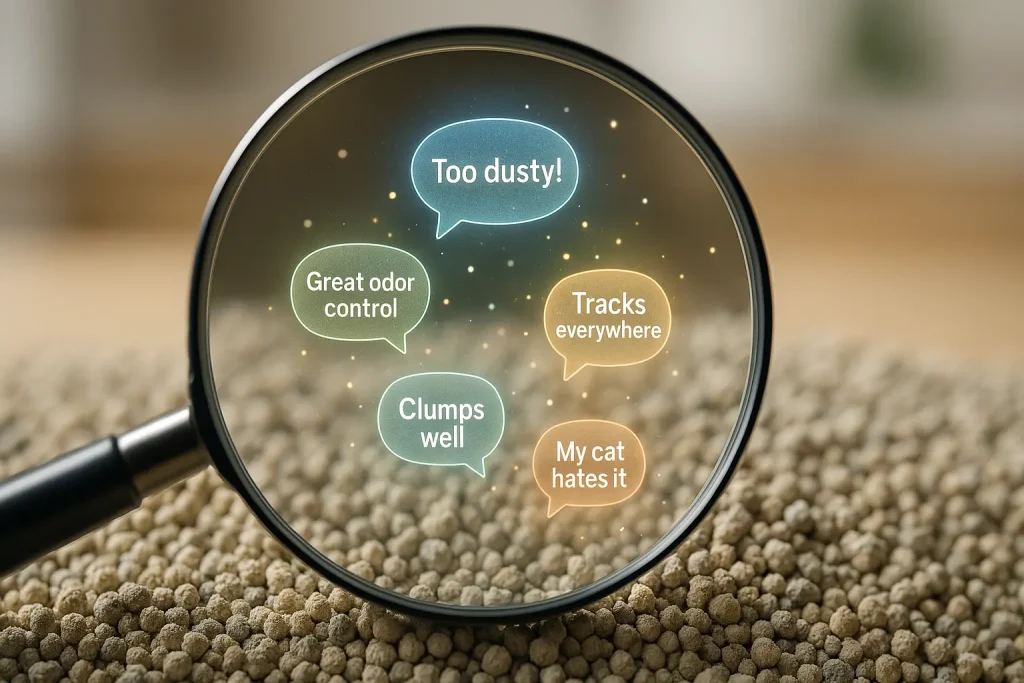
The Unspoken Power of Placement: Why Your Cat Really Cares Where the Box Goes
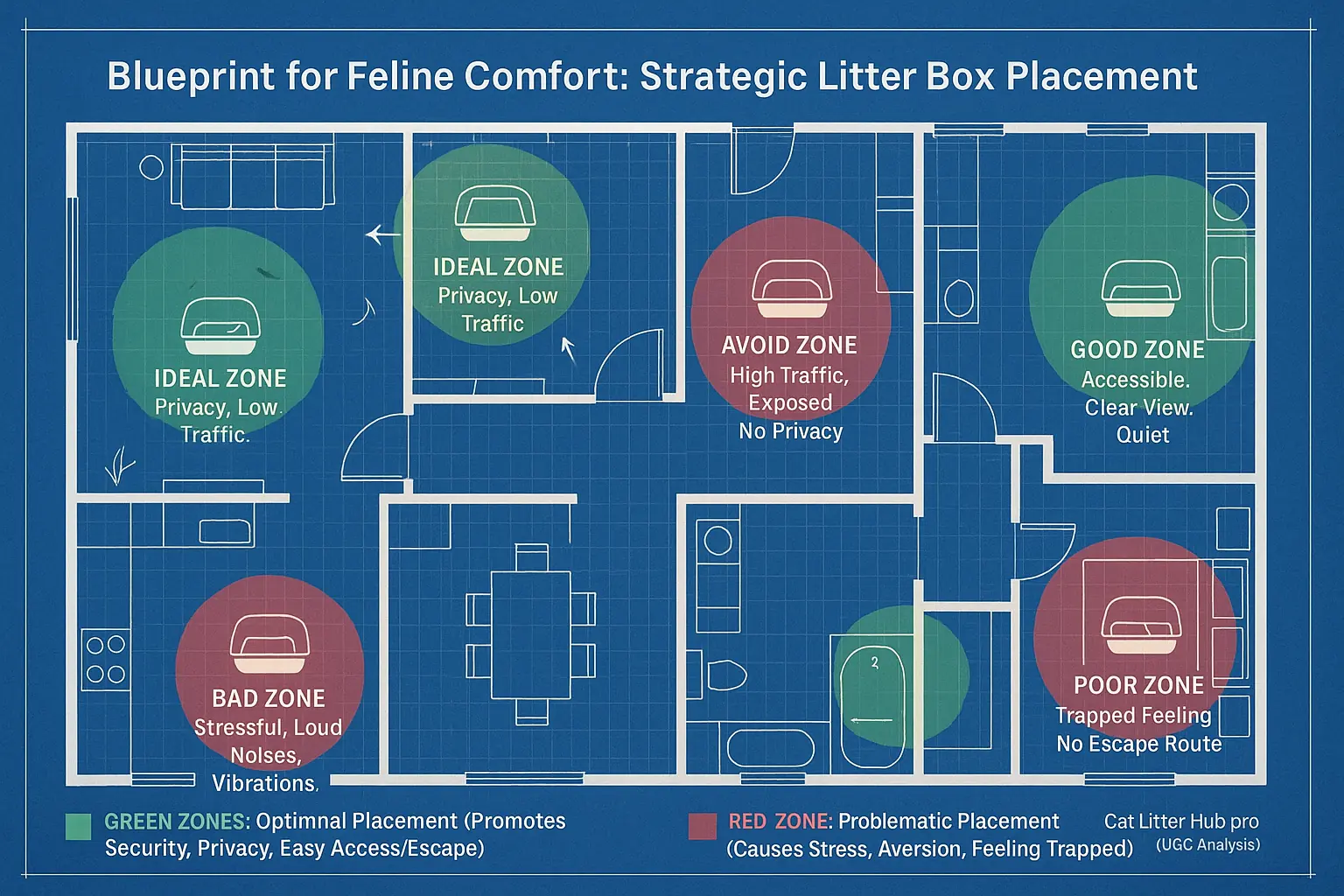
Ever wondered why your clean litter box sits unused? Perhaps a rug corner became the chosen spot. The litter might not be the issue. The location often is the real problem. Litter box placement is a huge, frequently overlooked factor in feline happiness. This single choice directly impacts their security and daily comfort. Thousands of owner stories we've analyzed echo this simple truth.
Consider this 'Litter Box Feng Shui'. It means understanding your cat’s environmental psychology. Think of it as your cat's personal real estate assessment. They have clear non-negotiables. Privacy matters. Safety is paramount. Convenience counts too. Get these elements wrong, and problems often arise. Many user experiences link poor placement to litter box aversion, stress, and those dreaded out-of-box incidents.
Cat Litter Hub has analyzed countless owner accounts. We decode these feline preferences for you. This is not mere guesswork. It is powerful collective wisdom. We will share what real users discovered. Learn their secrets for creating the purrfect potty placement.
Key #1: The Privacy Imperative - What Users Say About Secluded Spots
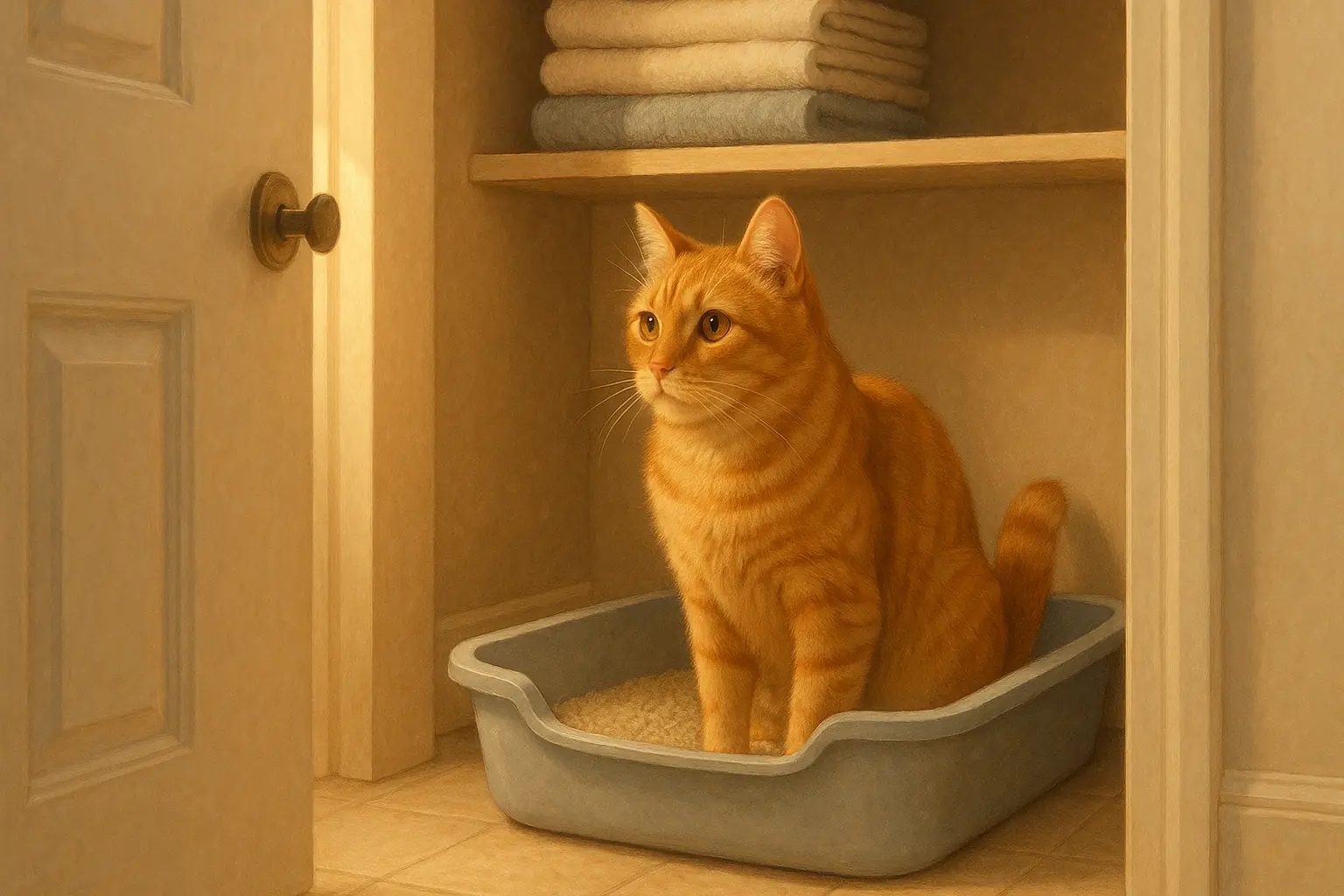
If there's one golden rule users shout from the rooftops, it's THIS: cats crave privacy. Potty breaks demand seclusion. Think about it. Would you want an audience? This preference is not mere cat fussiness. Feline instincts drive this need for a secure, undisturbed environment during elimination. Our analysis of thousands of owner discussions confirms this overwhelming requirement for privacy.
Owners consistently report success with strategic litter box placement. Moving the box from a busy hallway often solves problems. A quiet laundry room corner or a dedicated bathroom spot frequently becomes the preferred feline facility. The change in litter box usage can be dramatic, according to numerous user accounts. Many cat parents describe near-instant improvements after relocating the box. Cats previously prone to accidents sometimes begin using the box perfectly. This positive shift often follows a simple move from a hectic kitchen to a peaceful guest bathroom closet. User reviews frequently warn against high-traffic areas. Spots near noisy appliances also cause litter box avoidance for many felines, as reported in community forums.
Here is a pro tip many users swear by. It is a user-discovered gem. Even within a private room, orient the litter box carefully. Position the box so the cat faces the door. This specific orientation allows them to see anyone approaching. Such vigilance significantly boosts their sense of security. It is a small adjustment. Yet, this change delivers substantial results, according to countless owner stories. Cat Litter Hub's data analysis highlights this particular tactic's effectiveness in improving litter box acceptance.
Key #2: Accessibility is King (Especially for Some) - User Tips for Easy Entry & Exit
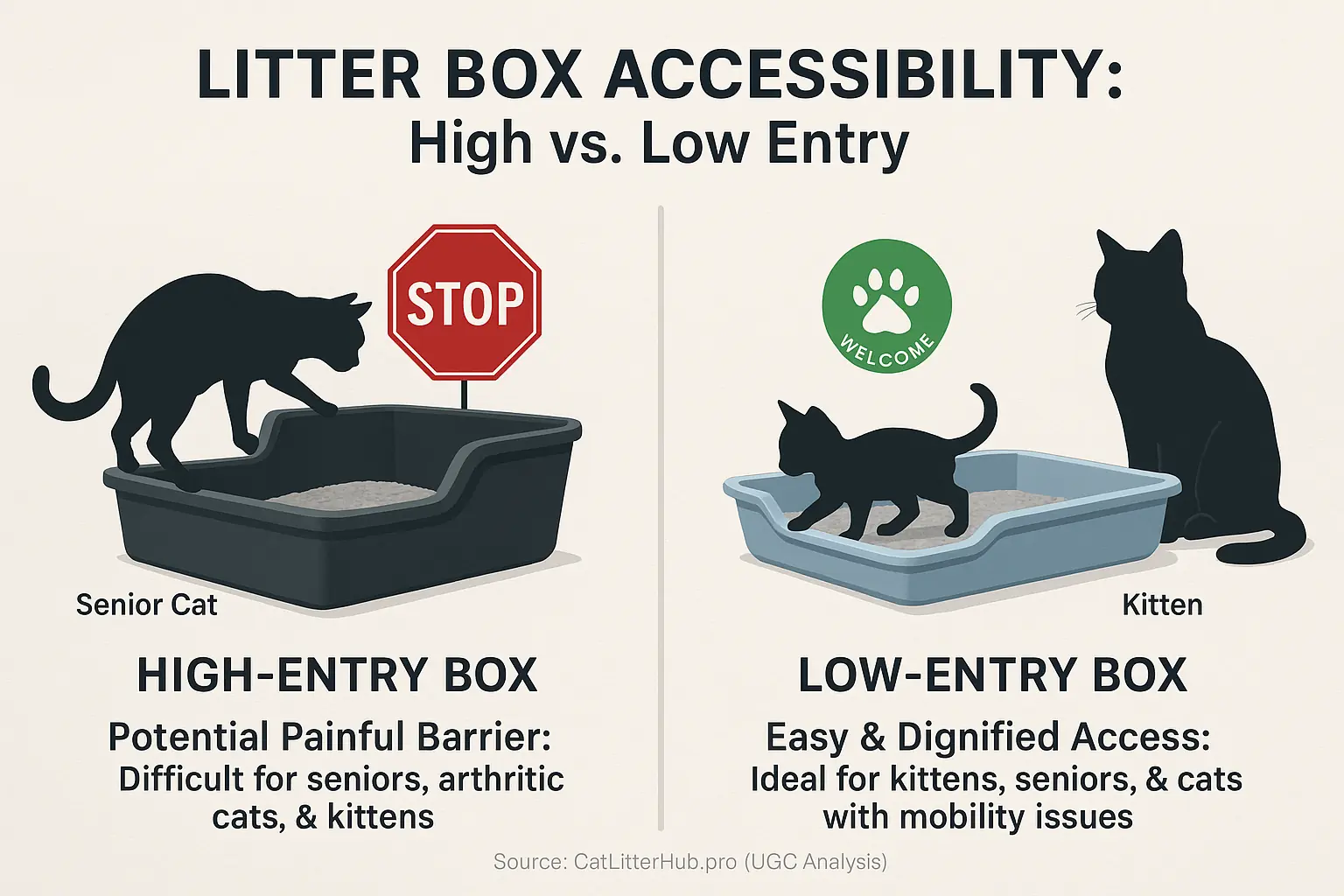
Your cat might seem an agile ninja. Litter box access, however, is non-negotiable for some cats. Kittens, senior felines, and cats with achy joints often face real entry struggles. Many owners share heartbreaking accounts of cats wanting to use the box. These cats simply struggled physically to get inside. This is a common, painful problem for beloved pets.
High-sided litter boxes contain scatter well. Owners of older cats, however, frequently report a troubling pattern. Their aging companions suddenly start avoiding these familiar boxes. The reason? Often painful arthritis. That daily leap into the box becomes a daunting obstacle for stiff joints. Imagine your senior cat, as described in countless user reviews, suddenly soiling a bathmat. The hidden cause is frequently a high-sided box, now too difficult for their stiff hips. Cat owner experiences confirm a switch to a low-entry tray often resolves this issue instantly. Users also craft simple DIY ramps, making existing boxes accessible again.
Kittens also require gentle introductions to litter box use. Their tiny legs can struggle with high box walls. Cat parents consistently find shallow trays work best for these small explorers. A cut-down cardboard box also serves as an excellent temporary solution for little ones. Forcing kittens into adult-sized fortresses can lead to early, lasting litter box aversion, many users warn. Avoid that. Here’s a fantastic tip from collective owner wisdom. Some place a small, sturdy step beside a slightly taller box. This thoughtful addition helps less agile cats maintain their dignity and comfort easily.
Key #3: The "No-Fly Zone" - Avoiding High-Traffic Nightmares Users Warn About
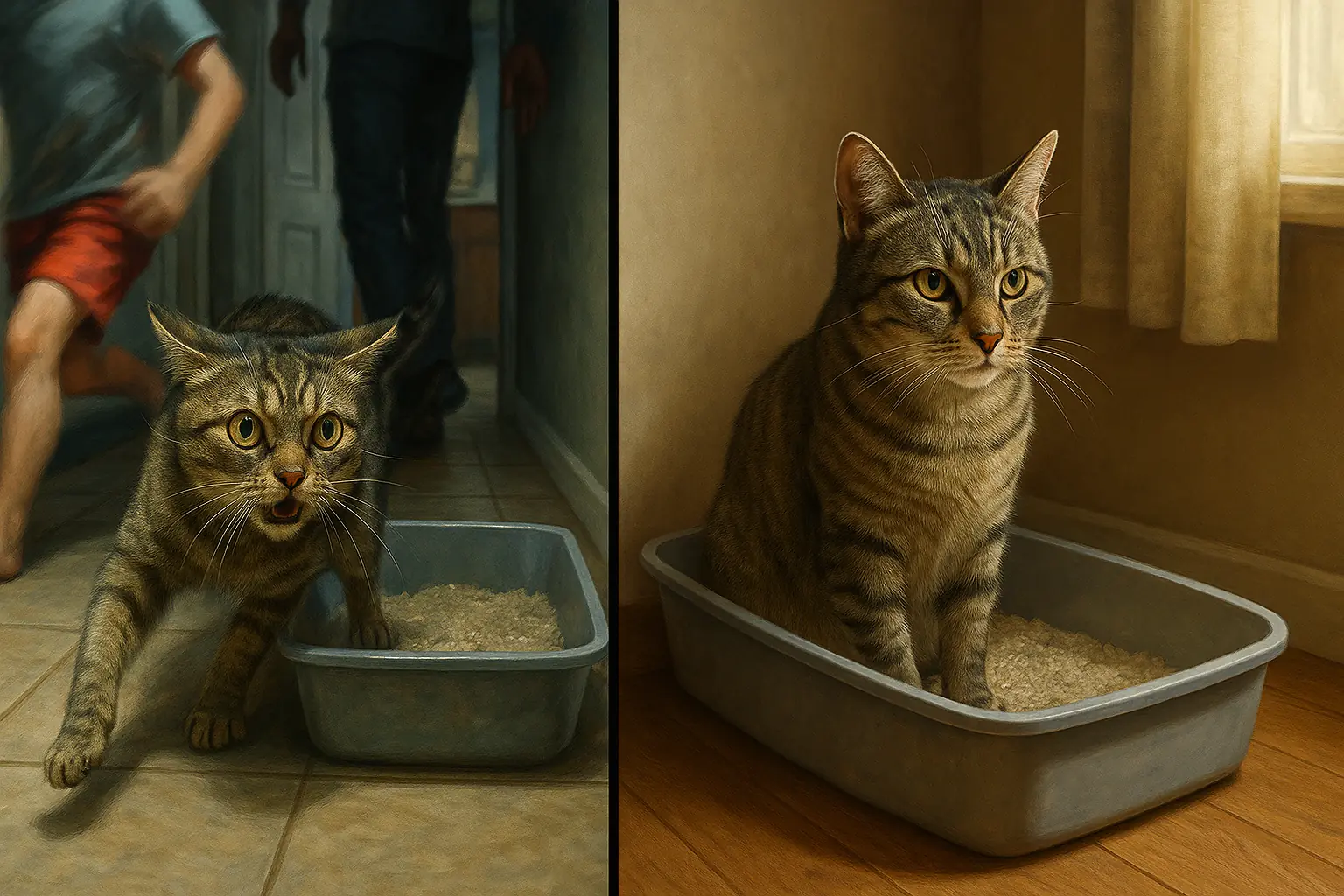
Picture this: you're trying to... well, you know. The entire household parades past. Not ideal, right? Your cat feels this same discomfort. It is amplified. High-traffic zones are absolute litter box no-gos. A chorus of frustrated owners confirms this. They warn everyone.
Countless user experiences paint a vivid picture of these nightmares. One owner shared their 'big mistake.' They placed the box in the living room, near the TV. Their shy cat, Luna, would only use it at 3 AM. Moving the litter box to a quiet spare bedroom closet changed everything for Luna. Other users describe cats bolting mid-potty. A child suddenly running past often caused this terror. Some cats refuse to even enter the box. A busy kitchen, a main hallway, or a bustling family room become forbidden zones. The stress cats endure is palpable in these owner accounts.
The golden rule from the trenches of cat ownership is clear. If an area is a main thoroughfare for humans, avoid it. The same applies if it's busy with other pets. That location is a terrible spot for a litter box. Seek out those quiet, forgotten corners instead. Your cat will thank you. Your carpets will thank you too.
Key #4: Food, Water, and... Poop? The Great Separation Debate (UGC Consensus)
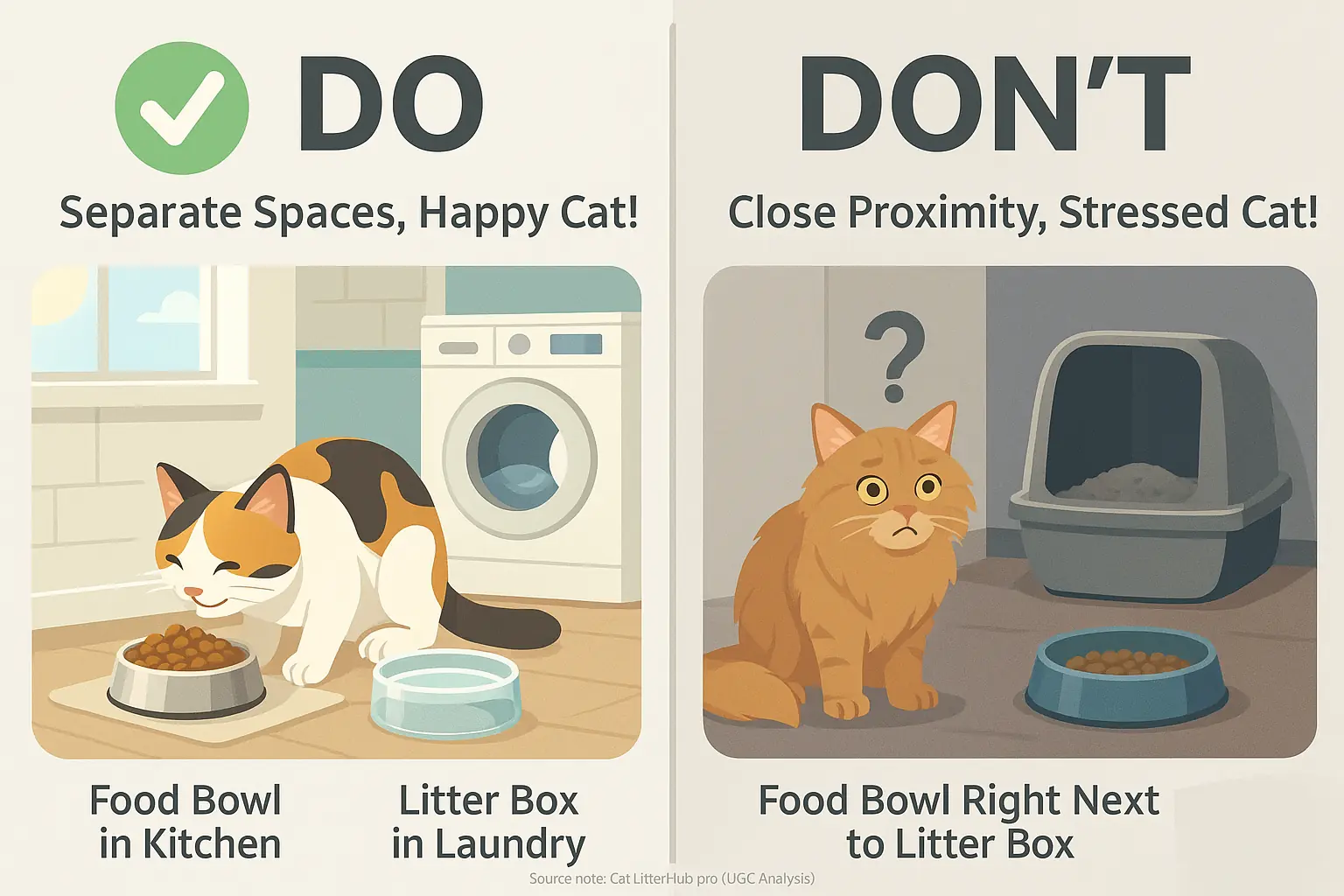
A question appears constantly in online cat communities. Can the litter box sit near food and water bowls? Some cats might tolerate this setup. The overwhelming user consensus, however, is a firm NO. The reason? Basic feline hygiene instincts drive this preference.
Cats naturally avoid contaminating their food and water sources. Cat Litter Hub's analysis of thousands of owner experiences confirms this. Owners who tried close placement frequently report their cats eating less. Some cats drink less water. Worse, cats may develop an aversion to the food, the water, or even the litter box itself. Imagine this: your cat suddenly seems off their food. You try everything. Then, you learn about the food-litter separation principle from other owners. Moving the bowls to a different area often brings their appetite right back. This common story underscores the importance of separation.
So, how far apart is far enough? Most users find placing food and water in separate rooms from the litter box works best. This eliminates any potential for cross-contamination concerns for your cat. If separate rooms are not an option, aim for opposite ends of a large room. The collective experience of cat owners suggests a simple rule. The further, the better. This simple adjustment helps ensure a happy cat. It also promotes proper eating, drinking, and litter box habits.
Audit Your Box Placement! The "Cat Comfort Zone" Quiz
Is Your Litter Box in a Cat Comfort Zone? Take the Quiz!
1. Is the litter box in a quiet, low-traffic area, away from household hustle and bustle?
2. Can all your cats (especially kittens, seniors, or those with mobility issues) easily get in and out of the box?
3. Is the litter box placed well away from your cat's food and water bowls (ideally in a different room)?
4. Does the box placement allow your cat to see people or pets approaching (i.e., not trapped in a blind corner)?
5. If you have multiple cats, do you have at least one more litter box than the number of cats, placed in different locations?
How did your spot score? Cat Litter Hub's analysis of owner feedback consistently shows tiny placement shifts make big feline comfort improvements. Better box behavior frequently follows. These are not just guesses; they are patterns from real homes.
Try one or two insights from your results this week. Your cat's happiness often hinges on these simple details. A more content cat is the goal.
Key #5: Multi-Cat Household Maze - User Strategies for Peaceful Coexistence
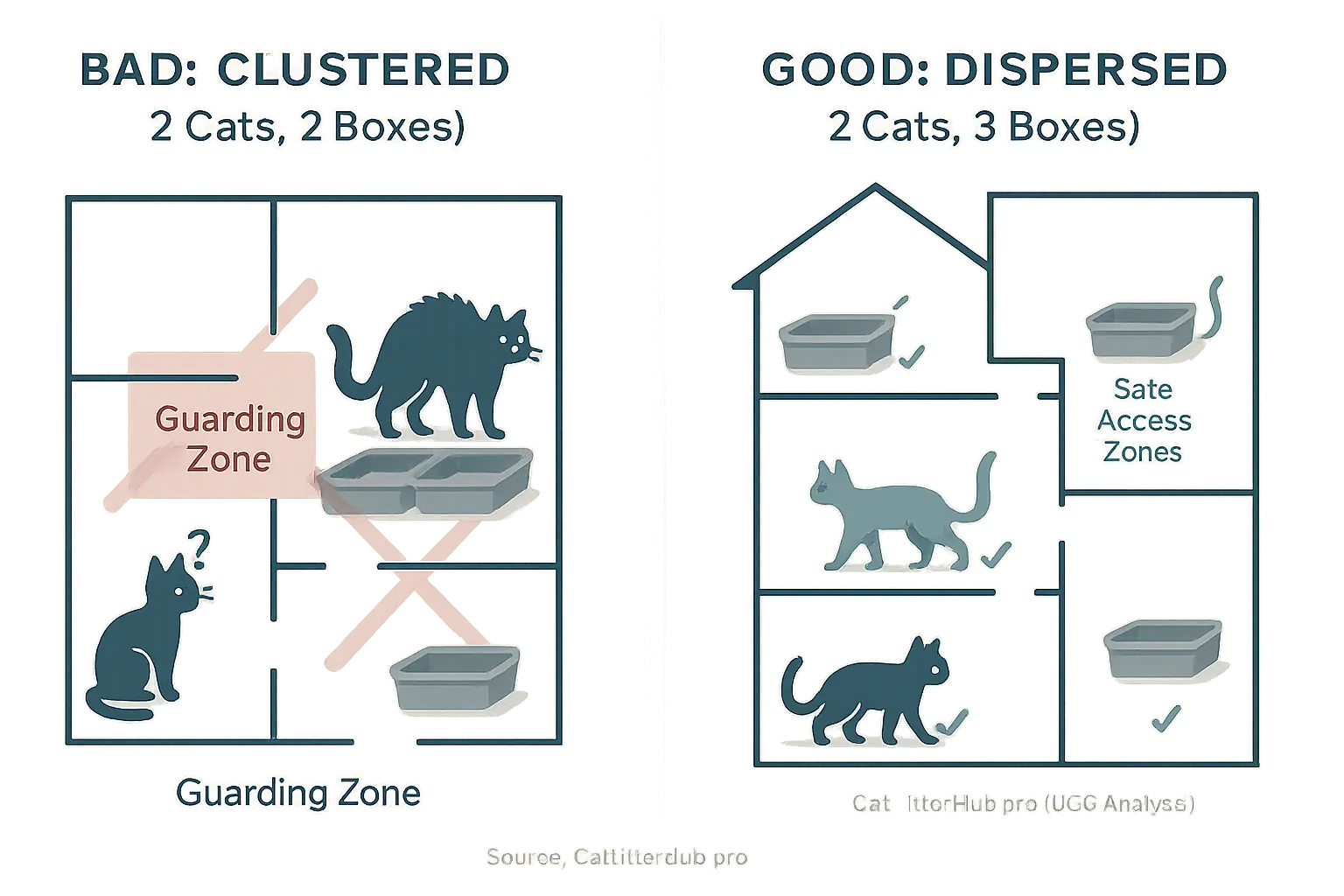
Got more than one feline overlord? Then you know the litter box game changes. Dramatically. It's not just about more boxes; it's about strategic placement to avoid turf wars and ensure every cat feels safe.
The N+1 rule is gold, users say. One box per cat, plus an extra. Simple. But where do those boxes go? That is the real key. Many owners discover clustered boxes act like one giant, intimidating spot to a cat. This common setup often fails. It does not reduce feline stress or prevent disputes over resources.
The collective experience of seasoned cat parents points to dispersal. Create multiple, distinct potty zones. Different floors work well. Opposite ends of a large room can also help. This setup prevents one cat from dominating all litter access. Timid cats then find safe, private options. Many users share stories of peace restored after separating boxes previously grouped in one area, like a basement. Each cat often claims a preferred spot, easing household tension.
A surprising tip from multi-cat veterans: observe your cats. Watch their natural pathways. Note their social groupings and individual temperaments. Some felines are buddies. They might happily share a general 'zone' with multiple boxes. Others demand complete territorial separation. Let their daily interactions and preferences guide your unique box distribution map. This behavioral insight elevates simple box counting to true feline environment management, a strategy confirmed by countless successful multi-cat households.
Beyond the Basics: Unexpected Placement Wins & "Aha!" Moments from Users
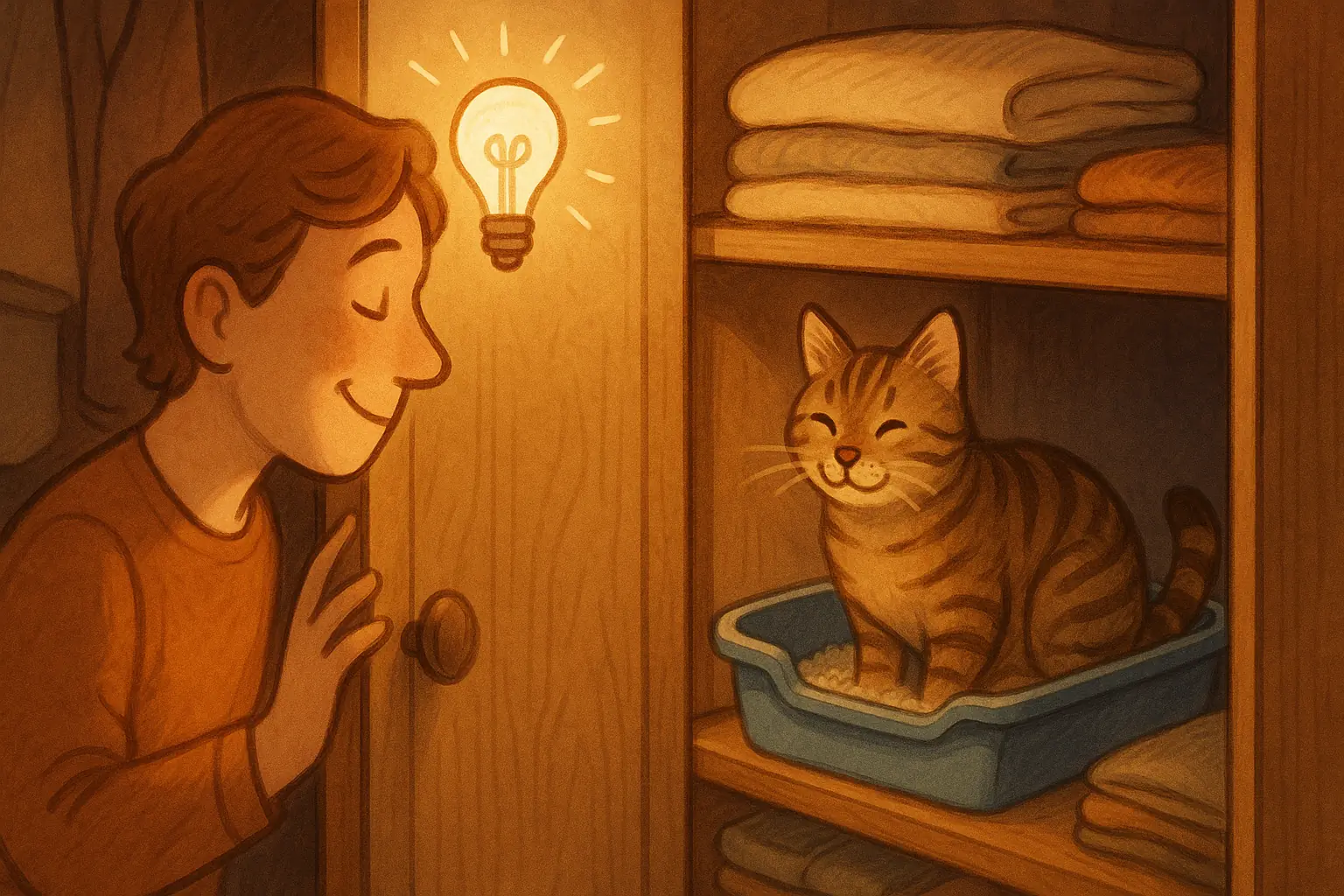
So, we've covered the biggies: privacy, access, traffic, food separation, and multi-cat dynamics. But the world of cat litter placement holds surprising 'aha!' moments. Our deep dive into user stories confirms this. Sometimes, the most unconventional spot becomes a cat's five-star bathroom. A real game-changer.
User experiences reveal fascinating adaptations. Some cats, for instance, adore a box on a sturdy, low shelf in a closet. This spot offers ultimate privacy. It provides a view too! Another common theme involves environmental enrichment. Owners report a less-used box became irresistible. They simply added a specific cat-safe plant nearby. The key takeaway users stress? Observe your cat. Their subtle cues are your best guide.
Creating the perfect litter box setup is an act of empathy. It is also detective work. You can crack the code to a happier cat. A cleaner home too. Listen to the collective wisdom of thousands. Cat owners share valuable insights. Pay close attention to your feline's unique personality. It's all about that purrfect placement!
Related Insight: Sudden Litter Box Aversion: User Detective Work to Uncover Hidden Triggers
Ideal litter box placement helps prevent many problems. Owners often report success with thoughtful setups. Yet, cats might suddenly refuse the box. What causes this abrupt change?
Our analysis of user experiences reveals multiple hidden triggers. Medical conditions are a frequent underlying issue. Changes in the litter itself, or even new environmental stressors, can also lead to avoidance. Uncovering these requires careful investigation, a process our upcoming deep dive will fully explore, helping you become a litter box detective.