The Unspoken Battle: Why Your Litter's Lifespan is Under Siege
You open a new bag of natural litter. Weeks later, it feels clumpy. Or worse, you spot tiny bugs. Many cat owners share this exact frustration in online forums. They unknowingly sabotage their litter's lifespan. This guide, built from collective user experience, reveals their storage secrets.
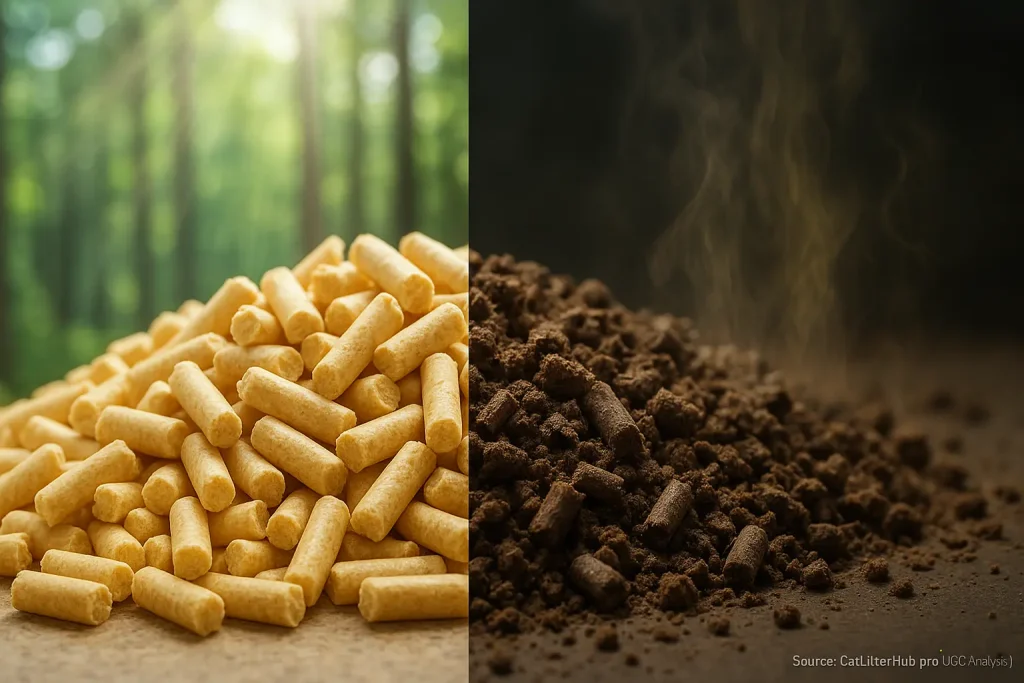
Those popular plant-based litters? They are especially vulnerable. Our analysis of user reports highlights a key reason. These materials readily absorb ambient moisture. They can also become a food source for unwelcome pests. Clay or silica litters, by contrast, often possess inherent properties or undergo treatments that make them more resilient. Natural litters frequently lack these defenses, making smart storage non-negotiable.
This spoilage means more than lost dollars. Though that stings. It is the hassle, the potential for an unusable product, and even worry for your cat. The good news? Many users have cracked the code. Their shared experiences point to simple, effective storage tweaks. We have gathered these practical tips to help you win this battle against litter waste.
Fort Knox for Felines: Airtight Container Secrets from Savvy Users
Ask any seasoned cat owner about litter storage, and one word echoes: AIRTIGHT. Users overwhelmingly agree this is the first defense against freshness foes. Their collective experience confirms this vital point. Litter degradation accelerates without a proper seal. Pests also exploit compromised litter sources.
Forget flimsy bags. Many owners report success repurposing large pet food containers. Vittles Vaults, for example, receive frequent mentions in online cat communities. Heavy-duty plastic bins with reliable gasket seals also earn strong user endorsements. One cat parent shared, 'My 50lb bag of corn litter stays perfectly dry in my heavy-duty sealed bin for months!' This approach protects your investment.
The container itself is important. The seal, however, is critical. Experienced users recommend checking gaskets regularly for any wear. Some cat parents add a layer of plastic wrap under the lid. This simple step offers extra protection, particularly in humid environments. Always thoroughly dry containers before refilling; this prevents residual moisture issues and potential mold growth, a common user complaint with poorly managed storage.
The Moisture Menace: User Hacks for Bone-Dry Litter Bliss
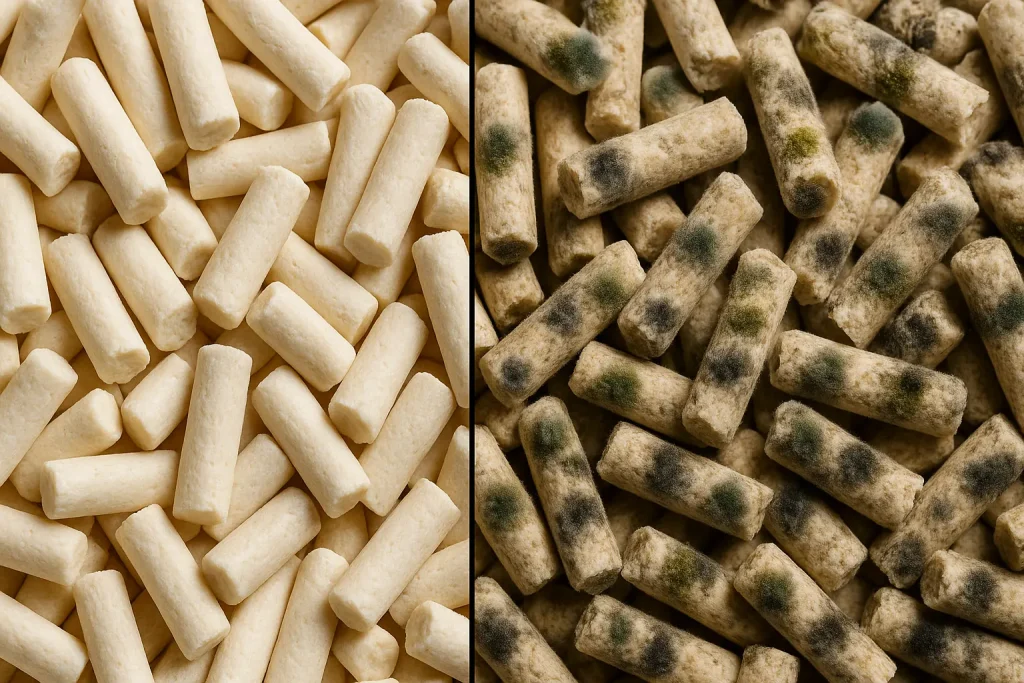
Ever notice your 'fresh' litter feeling a bit...damp? Or clumps turning into sticky messes too soon? Users say moisture is often the silent culprit. This unwelcome guest turns good litter bad. Clumping performance suffers. Odors can worsen. Mold might even grow inside the bag or bin, a problem many cat owners report.
Forget expensive solutions for this. Many cat owners share simple, cheap DIY desiccant tricks. Think small muslin bags filled with uncooked rice; these are a popular choice. Or, consider those little silica gel packets from new product packaging; they work wonders. These packets, however, must be kept safely away from curious cats. Users report these homemade helpers make a genuine difference in high-humidity storage. They absorb that sneaky excess moisture effectively.
Where you store your litter matters. Greatly. Damp basements? Users consistently warn against them. Garages often trap unwanted moisture too. A cool, dry closet offers a much safer bet for your litter supply. Pantry shelves also get the nod from seasoned cat parents. This advice comes from owners who learned through frustrating experiences. Always ensure any DIY desiccant solutions are completely inaccessible to your cats. The goal is simple: bone-dry litter, always ready for action.
Pest Patrol: User-Approved Tactics to Keep Critters Out (Especially Naturals!)
Opened your bag of corn or wheat litter? Found uninvited guests? It's a surprisingly common horror story, our analysis of user experiences reveals. Many owners of these natural litters report unwelcome visitors. Pantry moths and weevils are frequent culprits. This vulnerability is a consistent theme in user discussions surrounding specific plant-based litters.
But cat owners are fighting back on this pest front. The collective wisdom points to simple, cat-safe deterrents. Many users share success stories using a few dried bay leaves. These are placed near or in the storage container. Critically, bay leaves are NEVER mixed directly into the cat litter itself. Choosing robust, chew-proof storage containers is another highly recommended tactic. Pests simply cannot access the litter. These methods help create a pest-unfriendly zone.
A crucial piece of intel from the "Pest Patrol" community: thoroughly inspect new bags of natural litter. Do this before bringing them into your home or transferring to your main storage bin. Some vigilant users even freeze smaller bags of natural litter for 48 hours. This proactive step aims to neutralize any potential stowaways before they become a problem. For concerns about specific products, such as issues occasionally reported with sWheat Scoop, users often seek out manufacturer guidance or community discussions (for instance, information found on the sWheat Scoop bug advisory page).
Location, Location, Location: Where Users Stash Their Litter for Peak Performance
Think your litter storage spot doesn't matter? Users say: think again! Choosing the right 'neighborhood' in your home for litter dramatically affects its quality. The wrong location can undo all your airtight container efforts. Litter freshness suffers. Performance drops. This insight comes directly from countless owner experiences. The 'real estate' of your litter storage truly matters.
That convenient spot in the garage? Users warn it might be too humid. Temperature swings also wreck your litter, according to widespread reports. Damp basements present similar problems. Many cat owners have learned these spots are a recipe for clumpy, smelly disaster. Litter quality plummets. Your investment? Wasted.
So, where is the sweet spot for litter storage? Users consistently point to cool, dry, dark places. An indoor closet shelf works well. A dedicated pantry spot is another community favorite. Even under a bed in a sealed container can preserve freshness. Stable temperature is key, they say. Low humidity matters greatly for optimal litter performance.
What about storing litter right next to the box for convenience? Users are split on this. Some find it incredibly practical. Quick refills are undeniably easy. Others worry. Ambient bathroom moisture can affect the stored supply, a common concern in user feedback. Odors might also contaminate the fresh litter. It is a trade-off many seasoned cat owners debate carefully.
The Big Question: Does Storage REALLY Impact Litter Performance? User Verdicts
Cat litter storage raises a key question. Does its method really affect daily performance? User verdicts from countless reviews confirm this. Yes. Absolutely. Improper storage demonstrably degrades litter quality.
Clumping ability often suffers first. Users frequently report this common problem. Natural litters stored in damp conditions show significant issues. Their once-solid clumps can transform into mush. "It was like scooping wet oatmeal," one owner lamented about their wood pellets. This occurred after a particularly humid storage spell. Moisture absorption emerges as the primary culprit in these user accounts. (See more on moisture issues with plant-based litters in our Tofu Litter Mold Guide.)
Odor control effectiveness often plummets too. Numerous cat owners echo this unfortunate experience online. "My trusty silica gel litter suddenly failed," one user shared in a forum. "I left the bag unsealed near the bathroom shower for a week." User experiences suggest moisture can deactivate crucial odor-neutralizing ingredients. This reduction in efficacy is a frequent complaint.
Even dust levels might escalate noticeably. Some owners observe improperly stored litter becoming more brittle. This increased brittleness generates excess dust particles. Pouring and scooping then release this unwelcome dust. Proper storage is essential. It directly maintains the litter's advertised performance. The collective wisdom of users underscores this critical point.
Your Litter Storage Action Plan: Quick Wins from Fellow Owners
Good litter storage is important. It is not complex. Savvy owners discovered this truth. A few smart moves make a huge difference. Litter stays fresher longer.
Here is your quick action plan. It comes straight from the user community:
- Airtight is Almighty: Always transfer litter to a truly airtight container.
- Moisture is the Enemy: Use simple DIY desiccants. Pick dry storage spots.
- Pest Blockade: Especially for naturals, inspect new bags. Use pest-proof containers.
- Location Logic: Cool, dry, and dark beats damp. Fluctuating temperatures also harm litter.
- Seal After Every Use: Do not let that big bag sit open. Seal it.
These steps are simple. Countless user experiences back them. They can save money. They definitely reduce hassle. Your cat will thank you. Their facilities stay cleaner.