The Uncovered Truth: Why Some Cats Just Won't Bury Their Business
Ever walk into a room to an unwelcome whiff? You find your cat's latest deposit sitting proudly on the litter. That unburied treasure, and its aroma, often means owner frustration. Many owners report this exact scenario. They learn their cat isn't just being defiant.
We often hear cats are fastidious creatures, instinctively burying waste. Yet, online discussions paint a different picture entirely. Countless owners share their cats regularly skip this supposed instinct. What gives?
The answer, frequently found in user accounts, is the litter itself. Its texture, specifically, can be the primary problem. Our deep dive into user feedback shows how texture aversion turns instinct into refusal for many cats. This understanding challenges many old assumptions.
Pawsitively Painful? How Litter Texture Triggers Non-Covering (User Reports)
Picture this. Your cat approaches the box. Hesitation. They gingerly step in. Business done with minimal contact. Then, a bolt. No digging. No covering. Sound familiar? User forums are full of such stories. Owners often describe their cats treating the new litter like a minefield. This behavior isn't just pickiness. Our analysis of user experiences indicates it's often a tactile protest from sensitive paws.
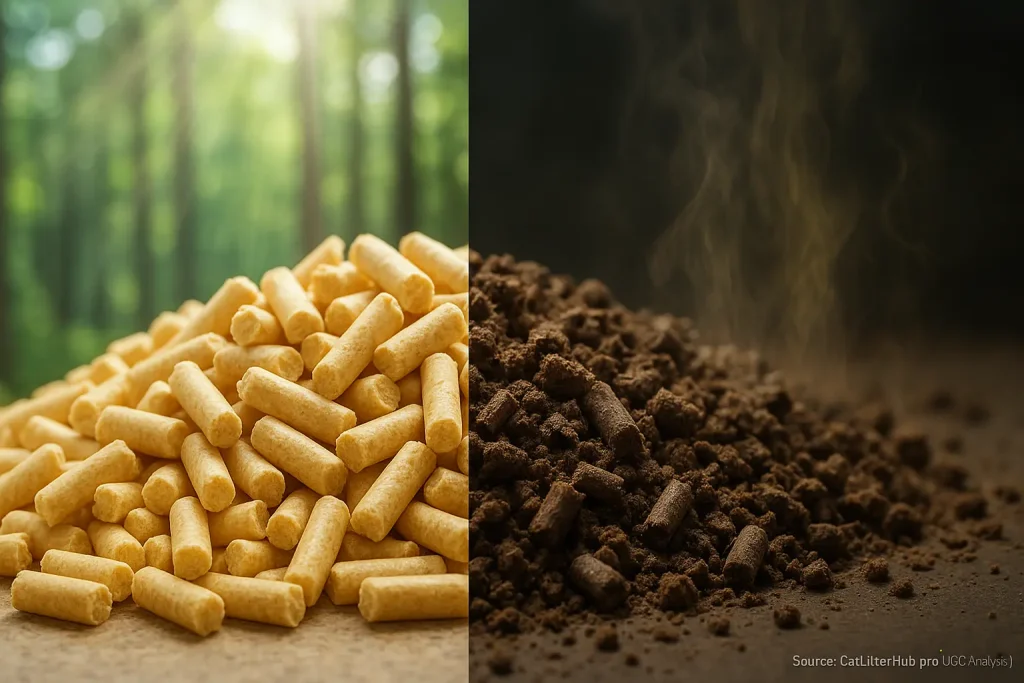
What specific textures trigger this paws-off approach? Many users connect a switch in litter texture to non-covering. Large, hard pellets often draw complaints. "It's like walking on Legos!" one owner reported, describing their cat's reaction to certain pellet litters. Sharp crystal litters also cause issues. Another common report details cats acting like the crystals are "hot coals," refusing to dig. Even some fine clay litters, if they become overly dusty or turn to "concrete mud" when wet, receive similar user feedback. Cats then perch on the edge, users frequently share, avoiding full contact.
Cats want to bury. That instinct is deeply hardwired. But intense discomfort can override this natural behavior, as many user anecdotes confirm. If digging feels like navigating a field of tiny daggers or sinking into sticky mud, that powerful covering instinct often gets suppressed. The surprising part for many owners? Countless reports show covering resumes almost immediately. This happens right after they switch to a more paw-friendly litter texture, a powerful testament from the community.
Just like people, some cats have more sensitive paws. User experiences frequently highlight this variability. What one cat tolerates, another might find completely unbearable. This is why the collective wisdom of the community stresses one point. Listening to your cat's "feedback"—their litter box behavior—is crucial. Many seasoned owners share they discovered their cat's preference through careful observation and, sometimes, trial and error with different litter types.
The Stink Factor: Uncovered Waste and the Battle for Fresh Air (User Complaints)
That sudden, eye-watering ammonia smell when your cat leaves business unburied? You are not imagining it. Users consistently report a dramatic spike in odor. This happens when poop is not covered. One owner lamented, "It's like a tiny stink bomb goes off in the utility room!" The data from user reviews is clear: uncovered waste means instantly noticeable, stronger smells.
Think of it this way: burying waste is nature's odor-control. The litter acts as a barrier. It traps smells. When that barrier is missing, smells escape freely. Even the best 'odor-control' litters then struggle significantly, according to owner experiences. Their advertised power often relies on waste being covered. The offending items are just...out there.
This situation can become a real headache. Bad litter texture often leads to no covering by the cat. No covering means a stinky box, a frequent user observation. A stinky box might make your cat even less likely to use it properly. Users find this pattern frustrating. And it definitely makes your life less pleasant, turning your home into an odor battleground.
From Rebel to Cover-Up Artist: Litters & Tips That Encourage Burying (UGC Successes)
So, your cat's a poop-on-top protester? Don't despair. Thousands of owners have navigated this issue and discovered effective solutions. The encouraging news from our analysis of user feedback? The fix often involves a simple change to the litter itself.
What's the magic formula according to these successful owners? Overwhelmingly, soft, fine-grained textures win. Think sand-like consistency. "I couldn't believe it! After months of open-air offenses, a simple switch to a softer, unscented brand, and suddenly he's burying like a pro!" one owner shared with relief. Unscented litter is another huge factor highlighted in these 'cover-up convert' stories. Our data shows many users report success with fine-grain clay, or specific corn and wheat-based litters that offer that crucial soft feel.
The key takeaway from countless user journeys: experimentation is often essential. What works wonders for one picky cat might not appeal to another. "We tried three different 'soft' litters before Jasper finally approved," a user reported, echoing a common experience. When you do find a potential new candidate, introduce it gradually. This helps your cat adjust without stress, a tip frequently shared by seasoned cat parents.
One vital reminder surfaces constantly in owner discussions. If your cat suddenly stops covering their waste, or shows any other abrupt change in litter box habits, a vet check-up is always the first step. This helps rule out any underlying medical issues before you start investigating litter options. Experienced cat owners and veterinary advice found in forums consistently stress this crucial point.