The Heavy Metal Huddle: What Are Cat Owners Really Worried About?
Ever stumbled upon a concerning online discussion? A frantic post detailed hidden toxins in everyday clay litter. Suddenly, that familiar bag in your home feels unsettling. User concerns about heavy metals are real for many owners. Online forums buzz with talk of lead, arsenic, or mercury, particularly concerning bentonite clay.
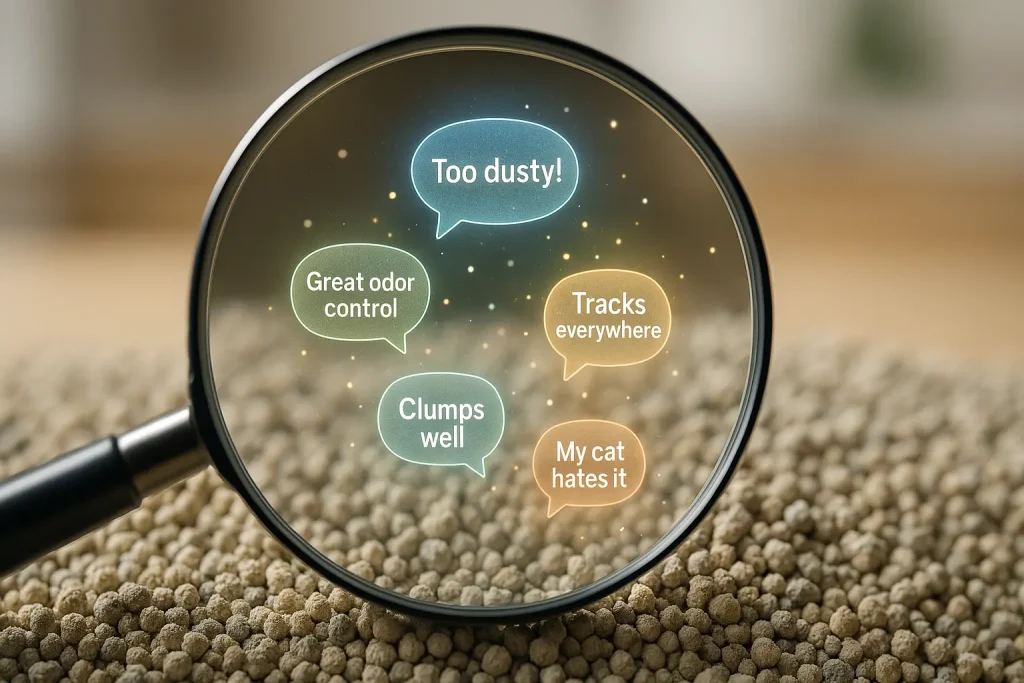
This widespread user anxiety is not random panic. Cat owners actively investigate product contents for their pets. They see 'natural clay' and question its full composition. Could hidden trace elements, they ask, build up inside their cats over years? This deep information seeking behavior originates entirely from cat owner discussions.
What is the core truth? Is this a significant, under-discussed risk for cats, or largely unsubstantiated fear? Cat Litter Hub is investigating these widespread user worries. We are sifting through the extensive online discussions and comparing them to available data. This article will help determine if heavy metal presence in clay litter is a critical issue.
Bentonite's Baggage: Unpacking Potential Contaminant Sources in Clay
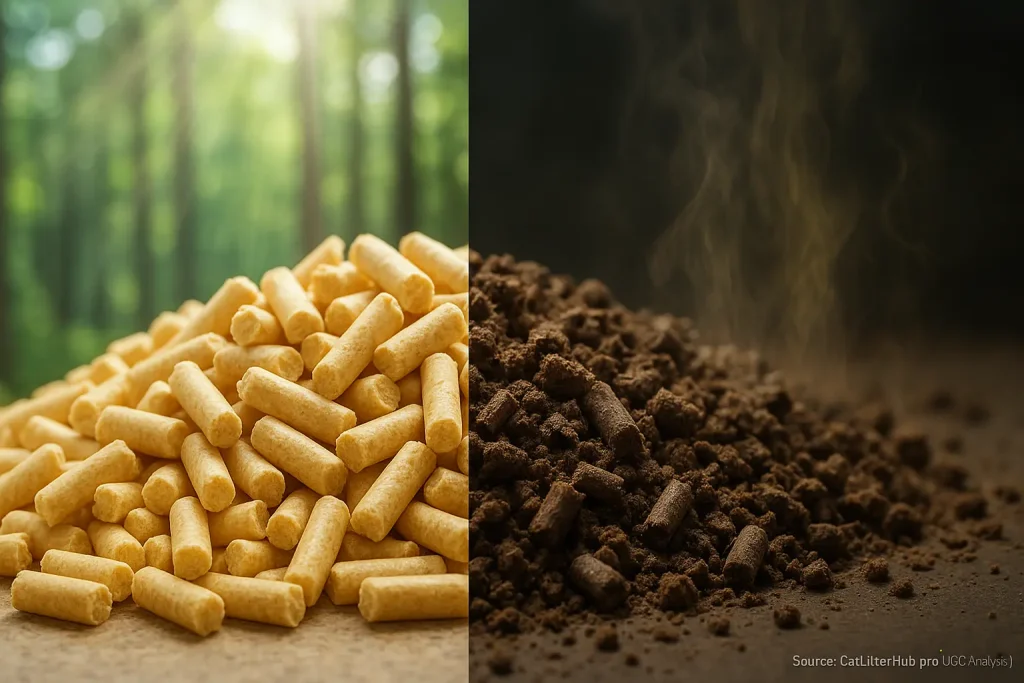
Bentonite clay is a natural earth material. Its exact composition varies by geological source. Miners extract this clay directly from the ground. Think of bentonite like coffee beans; origin influences its final makeup.
This natural variability prompts user questions. Owners wonder about potential trace element differences. Could clay from certain regions, or specific processing, introduce more unwanted elements? It is a fair question when detailed sourcing information is scarce.
The challenge for cat parents is finding clear answers. Many litter brands offer limited transparency about their bentonite. Information on precise origins or purity tests is often missing. This data gap fuels more questions, users frequently report. One owner told us, "I emailed three big brands asking about their clay source. Two never replied; one sent a vague marketing blurb." Sound familiar? This sentiment echoes through many community discussions.
The Science vs. The Scare: Sifting Through Facts, Fiction, and User Fears
So, you're worried. You search online. What do you find? Often, not much concrete science. Brand-specific data on heavy metals in litters remains difficult for most owners to locate. Interpreting complex scientific papers presents another hurdle. This search frequently becomes a frustrating experience for concerned cat parents. Clear answers are scarce.
Our deep dive into publicly available information confirms this challenge. Specific, peer-reviewed studies detailing heavy metal concentrations in every popular cat litter brand are not widely published. Manufacturers rarely disclose such detailed test results on their websites. Public databases also lack this granular, brand-specific information. While general consumer safety regulations for pet products exist in the USA, Canada, and the EU, they typically do not offer the specific heavy metal data for individual litter brands that users seek. This information gap is a common source of owner concern.
This lack of transparent, easily understandable scientific data creates an information vacuum. User anxiety often fills this void. Many cat owners report feeling that companies possessing stellar purity data would actively publicize it. The silence can breed suspicion. As one user shared in online forums, "If it was super safe, wouldn't they test and tell us?" This sentiment echoes widely across community discussions.
Some online discussions mention bentonite clay's 'Generally Recognized As Safe' (GRAS) status. This GRAS designation often applies to food contact or specific industrial uses. However, many users question if this directly addresses long-term pet exposure through daily litter use. They ask, "Does that GRAS label truly cover my cat inhaling dust daily for years?" This kind of user debate highlights the murky information landscape. Concerned owners seek greater clarity regarding their pets' environment.