The Great Odor Debate: Can Homemade Beat Store-Bought?
That lingering cat box aroma. You know the one. This smelly ghost haunts your otherwise spotless home. Persistent litter box odor is a major frustration for many cat owners.
So, can simple homemade solutions truly compete? Many owners ask this common question. They compare DIY methods against expensive commercial odor destroyers. The community is often divided on what truly neutralizes smells, revealing a clear need for reliable information.
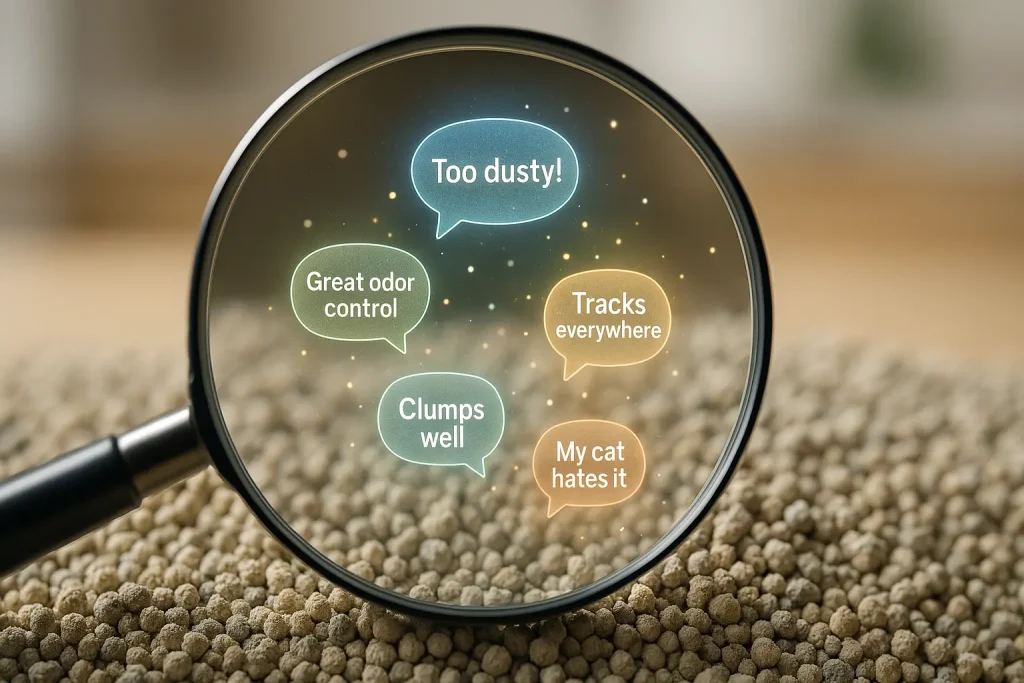
Cost is a significant factor in this odor control debate. Effectiveness, however, remains paramount for most people seeking genuine relief. This article explores thousands of user testimonials. We seek what really works, according to the collective wisdom of fellow cat owners, not just manufacturer claims.
DIY Odor Absorbers: The People's Champions or Risky Business?
DIY litter solutions appeal to many budget-conscious cat owners. Baking soda often leads this charge. "A sprinkle of this, and the smell vanishes!" some users enthusiastically report. This common household powder appears miraculous for some. But is it a universal fix? Our deep dive into community feedback uncovers a more nuanced reality. Many other owners describe cats actively avoiding boxes treated with baking soda. Some even detail feline sneezing fits, a clear sign of irritation. We will unpack what the majority actually experience.
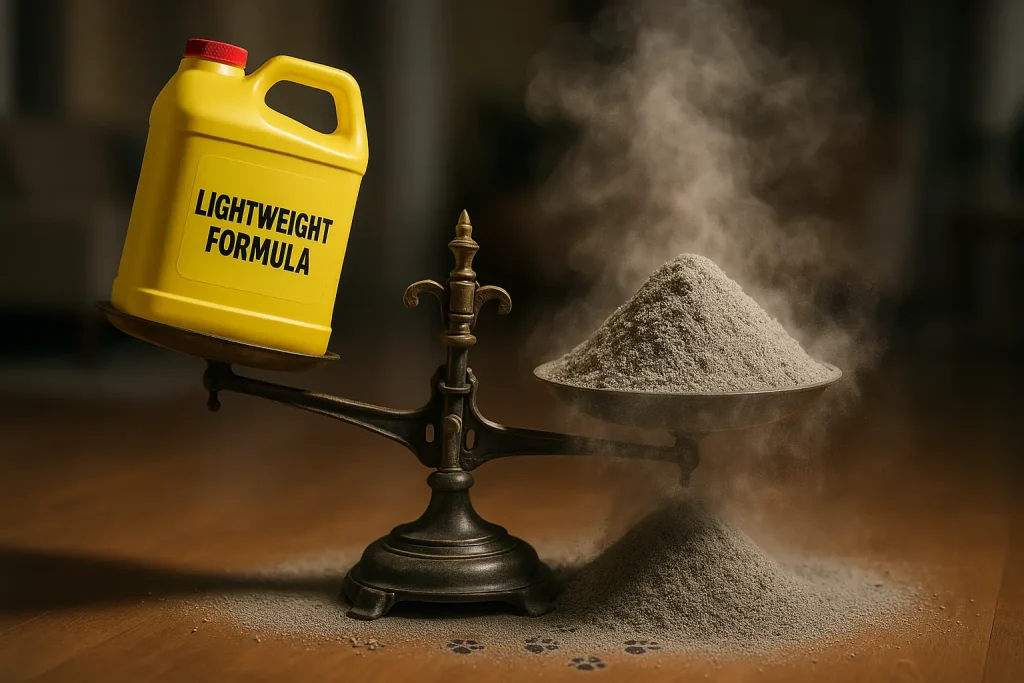
Then there is activated charcoal. Users frequently praise its supposed super-absorber qualities. Its power against persistent, strong odors receives accolades in numerous online cat communities. Sourcing consistent, quality charcoal, however, presents a hurdle for some individuals. And the mess? That can be a significant drawback. The potential for tell-tale black paw prints across light-colored flooring is a recurring user complaint. These real-world user stories certainly get interesting, highlighting practical challenges.
Are these readily available kitchen-cupboard fixes always safe for your feline friend? This vital question surfaces repeatedly in user discussions. A number of cat parents share cautionary tales regarding DIY additives. Fine baking soda dust, for example, triggers concerns about cat respiratory health in many user accounts. Others express worry about cats ingesting activated charcoal particles, even if most experiences suggest problems are rare with careful use. We explore those user-reported safety observations thoroughly.
So, are DIY deodorizers the people's champions? Or do they represent risky business for unsuspecting cats? User testimonials paint a very mixed picture. What brings welcome relief to one cat household can become a source of utter failure, or even strong feline aversion, in another. The collective wisdom of cat owners, synthesized from thousands of experiences, suggests proceeding with informed caution. Always weigh the potential, often variable, benefits against the widely reported pitfalls and your own cat's sensitivities.
Commercial Odor Absorbers: Pricey Promises or Proven Power?
Sleek packaging promises odor-free homes. Bold marketing claims declare "7-day odor lock!" Commercial odor absorbers present a high-tech fix for litter box smells. But do these products truly deliver proven power? Many users question if they just empty wallets. The collective experience of cat owners offers revealing answers.
Odor absorber sprays often provide a quick, temporary refresh. Numerous cat owners, however, report these sprays merely mask odors. Their strong perfumes can actively deter cats. Powders face similar scrutiny from the community. Some cats treat new powders as unwelcome additions to their litter. User reports frequently question the effectiveness of plug-in diffusers too. Are they for your cat's comfort, or primarily the human nose?
"Revolutionary formula!" the advertisements proclaim. Marketing promises abound. Yet, a significant portion of reviews indicates minimal actual odor difference post-application. Worse still, some cats completely boycott the litter box after product introduction. This common disconnect between advertising and real-world results frustrates many. The perceived value of these commercial solutions remains a constant debate among cat parents.
So, what does the community voice synthesize about types that genuinely help? Unscented powders, particularly bio-enzyme formulas or those with baking soda, often earn praise. Users find these can destroy odors without harsh fragrances. Certain odor-absorbing crystals also receive positive mentions from owners for their longevity. Heavily perfumed products, regardless of type, consistently face criticism. Cats often reject them.
The Verdict: DIY vs. Commercial – What REALLY Works & Saves Money?
DIY vs. Commercial Odor Absorber: Monthly Cost Estimator
DIY Option
Commercial Option
So, you crunched the numbers with our calculator. Surprising, right? That seemingly 'cheaper' DIY route sometimes isn't the actual long-term saver. Many cat owners report needing substantial amounts for consistent effect. And that premium commercial spray? Its cost per effective use might be lower than you initially thought, especially if user experiences confirm it truly lasts and works.
Ultimately, what thousands of cat owners have taught us is this. For mild odors or a very tight budget, a well-managed DIY approach can be a winner. Users find success. But for serious stink battles or multi-cat households? Investing in a cat-approved, genuinely effective commercial product frequently preserves household peace. The collective wisdom of users suggests this saves considerable frustration. Your nose will thank you.
The 'best' odor solution truly hinges on YOUR unique situation. Your cat’s acceptance is paramount. Your tolerance for lingering smells and the effort you can commit also play huge parts. Cat Litter Hub's analysis empowers your choice. Use the data. Trust your cat’s reaction. Find your perfect peace-of-nose solution.