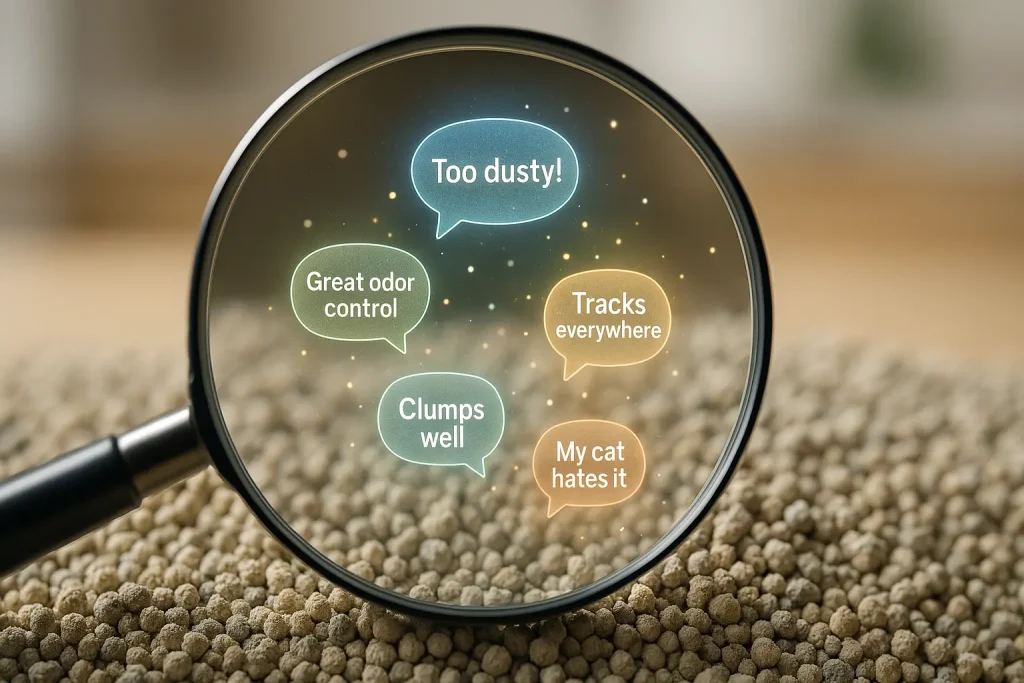
Understanding 'Litter Transition Trauma': Why Adult Cats (Especially Sensitive Souls) Resist Change
That sinking feeling hits when your usually well-behaved adult cat suddenly avoids the box after a new litter introduction. You are not crazy. You are definitely not alone. Many owners share this exact frustration; their cats unexpectedly reject unfamiliar litters. This problem is widespread, a common theme in countless user discussions.
Cat Litter Hub terms this 'litter transition trauma'. This phrase captures the genuine stress users observe in their feline companions. Cats show confusion. They may refuse the box entirely. The emotional toll on these sensitive souls is clear from many owner accounts detailing their pets' distress.
Why adult cats? They are creatures of deep habit, as countless owner stories confirm. Sensitive felines particularly struggle with abrupt sensory changes from new litters. An unfamiliar texture or scent can feel intensely overwhelming to them, often leading to concerning box avoidance.
This article explores solutions. Real strategies. Cat Litter Hub analyzes thousands of owner narratives for these answers. We uncover what helps ease this difficult process for your feline companion. Our focus is practical, empathetic advice drawn directly from shared community wisdom to make transitions smoother.
The Art of the Slow Switch: UGC-Approved Gradual Mixing Ratios & Timelines
The most consistently successful litter transition method, according to extensive user feedback, is the 'slow and steady' gradual mix. This approach centers on a core principle: gently acclimating your cat. The new litter's unfamiliar scent and texture require a patient introduction. Rushing this critical step frequently leads to litter box avoidance, a problem many owners have unfortunately discovered.
A common timeline reported by numerous cat owners starts conservatively. Week one often involves a 25% new litter to 75% old litter ratio. Mix these thoroughly. Observe your cat’s every reaction to the box. Does your cat hesitate? Users advise holding this ratio longer if so. If all seems well, you might increase to a 50/50 mix in week two. Subsequent weeks could see a shift to 75% new litter, then finally 100%. The cat’s acceptance, not a rigid schedule, absolutely dictates this pace.
Many experienced owners share a practical tip: pre-mix the litters. They combine the old and new litter in a separate container before adding it to the litter box. This blending helps the overall scent profile change more subtly. The art of this process lies in keen observation. Responding to your cat's subtle cues is key. Remember, patience is paramount. A successful transition might take several weeks; this is perfectly normal and far better than a failed, rushed attempt.
The Litter Box Buffet: Why the Multiple Box Method is a UGC Favorite for Fussy Felines
Many cat owners facing litter transition woes have discovered a remarkably effective solution: the multiple litter box method. Think of it as a "litter box buffet" for your discerning feline. This strategy comes highly recommended by countless cat owners in online communities. Our deep dive into user feedback shows it dramatically eases the switch for even the pickiest cats.
The premise is wonderfully simple. You set up two litter boxes side-by-side, or at least very near each other. One box contains the familiar old litter your cat currently uses. The other box features the new litter you hope to introduce. What makes this multi-box approach so successful, according to extensive user reports, is the element of choice. This empowers your cat. It significantly reduces the anxiety often associated with abrupt changes to their environment.
Cat owners consistently share tips for this method. Keeping both boxes in the same familiar room, at least initially, appears crucial for many. Then, observe. Which box does your cat gravitate towards? Do they sniff the new litter curiously or avoid it? The fascinating part? A significant number of users report their cats start using the new litter almost immediately. The simple act of providing a choice often removes any perceived pressure or resistance.
Once you observe your cat consistently choosing the new litter for several days, the transition enters its final phase. Users then advise gradually reducing the amount of old litter in the original box. Some mix a little of the old into the new for a short period. Eventually, you can remove the old litter box entirely. This cat-led, patient process is why so many seasoned cat parents endorse this technique for a peaceful litter changeover.
Sweetening the Deal: UGC-Tested Positive Reinforcement Techniques for New Litter Acceptance
Positive reinforcement dramatically helps cats accept new litter. Countless owners share success stories. They found a little encouragement made all the difference. The core idea? Make the new litter box experience actively pleasant for your cat.
Think high-value treats. Enthusiastic praise works wonders too. Offer these rewards immediately after your cat successfully uses the box with the new or mixed litter. This instant connection is vital. The cat learns quickly: new litter equals good things.
User experiences highlight other smart tactics for positive association. Some cat parents place a favorite toy near the new litter setup. Catnip sprinkled nearby can also entice curious felines, if your cat responds to it. A surprising tip from the community: simply spending quiet, calm time near the new litter area, without forcing interaction, often helps cats feel more secure and investigate on their own terms.
Punishing accidents is a major mistake. User feedback overwhelmingly confirms this approach backfires. It creates stress. This stress can lead to more litter box avoidance. Patience and understanding are your best allies during any litter transition.
Reading the Room (and the Cat): How Users Spot Early Signs of Litter Transition Stress
Successful litter transitions hinge on recognizing early stress signals in your cat. Many attentive owners share this wisdom. A stressed cat often rejects new litter.
The cat's silent language often speaks volumes before outright rejection. Many owners mention subtle cues. Increased hiding might be one sign. Changes in appetite or grooming habits frequently appear in user accounts. Sometimes, a general 'unsettled' vibe is the first clue from your cat.
More direct litter box behaviors also signal trouble, according to widespread user feedback. Does your cat hesitate before entering the box? That's a common flag. Quick in-and-out trips suggest discomfort. Excessive digging or wild litter-flicking often means something is wrong. Vocalizations near the box or complete avoidance of the area are also serious warnings from your cat.
A particularly telling detail emerges from owner experiences. Consider a cat who meticulously covered their waste. If this habit abruptly stops with the new litter, that's strong communication. This change often signals clear disapproval or discomfort. Vigilant observation is essential during any litter switch. A little extra empathy can make all the difference for your feline friend.
Your Cat's Custom Litter Transition Blueprint
Craft Your Cat's Custom Litter Transition Plan!
Your custom plan above is a fantastic starting point. It’s built from strategies thousands of cat owners reported successful. But always remember: every cat is an individual. Your observation is truly key during this change.
Use this blueprint as your trusted guide for the switch. Pay close attention to your furry friend's signals throughout the process. Are they showing any hesitation or signs of stress? If you notice discomfort, don't hesitate to slow the transition pace significantly. You might need to revisit a previous mixing ratio for a few more days. Your patience and understanding make the biggest difference.
You've got this! Most cats adapt well with careful, gradual changes. If your feline friend seems particularly resistant, don't lose heart. Cat Litter Hub offers more specialized articles with troubleshooting tips for tough cases.
When Transitions Go Sideways: UGC Lifelines for Common Setbacks
Litter transitions can sometimes hit frustrating roadblocks. Your cat might suddenly reject the new litter. Or worse, accidents might appear outside the box. These moments feel discouraging. Cat Litter Hub's analysis of countless owner discussions offers practical lifelines for these common setbacks.
What if your cat flat-out refuses the new litter blend? Many users share a successful strategy. Take a significant step back. Revert entirely to the old, familiar litter for about a week. This helps re-establish reliable litter box habits. Then, begin the mixing process again, but this time, far more gradually. Some owners reduce the new litter percentage to just 5-10% initially.
Accidents near the litter box demand immediate attention. The absolute first step, echoed constantly in user advice, involves a vet visit. Rule out any underlying medical conditions causing the change in behavior. If health issues are not the culprit, the community wisdom points to thorough cleaning. Use an enzymatic cleaner on the accident spot to completely neutralize odors. A widely adopted solution involves placing a temporary, second litter box, often with the previously preferred litter, directly on that problem area.
Here's a surprising insight from user experiences. Sometimes, the litter box itself contributes to the problem. Introducing a new type of box simultaneously with new litter can overwhelm some cats. Too much change. It's a common observation that patience is paramount. Setbacks are normal. Many seasoned cat owners stress that flexibility and trying alternative strategies, sourced from shared experiences, often lead to success. Don't abandon the effort too quickly.
The Golden Rule of Litter Transitions: Why Patience is Your (and Your Cat's) Best Friend
Patience is the golden rule. Cat Litter Hub's analysis of extensive user data confirms this. If there's one consistent theme emerging from analyzing countless owner experiences, it is the absolute necessity of patience. Want the real secret weapon for litter transition success? It's not a magic product. It is patience. Tons of it.
Rushing this delicate process often proves counterproductive for your cat. Cats experience sensory overload. Sudden changes to their litter, a deeply personal space, induce stress and fear. The common thread in many failed transition reports we analyzed is telling. Owners tried for a few days. Or they switched everything at once, violating their cat's sense of security.
Successful transitions, as detailed in numerous owner accounts, unfold over weeks. Sometimes months. This gradual adjustment allows cats to adapt comfortably without anxiety. Understanding your cat’s pace is paramount for a peaceful change. A stress-free outcome is achievable. This strengthens your shared bond through patient understanding and respect for their needs.