Kitten's First Litter Box: Navigating the Fluffy Minefield
Bringing home that adorable ball of fluff? Pure joy. Then, the litter box question hits hard. Suddenly, choosing kitten litter becomes a fluffy minefield, right? Many new kitten parents report this initial step feels overwhelming. So many choices. So much conflicting advice.
Tiny paws. Curious noses. A tendency to taste-test everything. Kittens are not just mini-adults. Their litter requirements are quite specific. Safety is paramount for these little explorers, with many owners seeking non-clumping options initially. Soft texture matters immensely for their delicate paws. Sometimes, a little gentle encouragement makes all the difference during litter training. Marketing messages often just add to the confusion for new owners.
Forget the glossy ads for a moment. What do real kitten owners, those who've successfully navigated this fluffy minefield, actually report? We've dived deep into thousands of user experiences. Cat Litter Hub brings you their practical, tried-and-true secrets for kitten litter success. This collective wisdom provides reassurance and clear guidance.
Safety First! User-Approved Non-Clumping Litters for Kittens (UGC Wisdom)
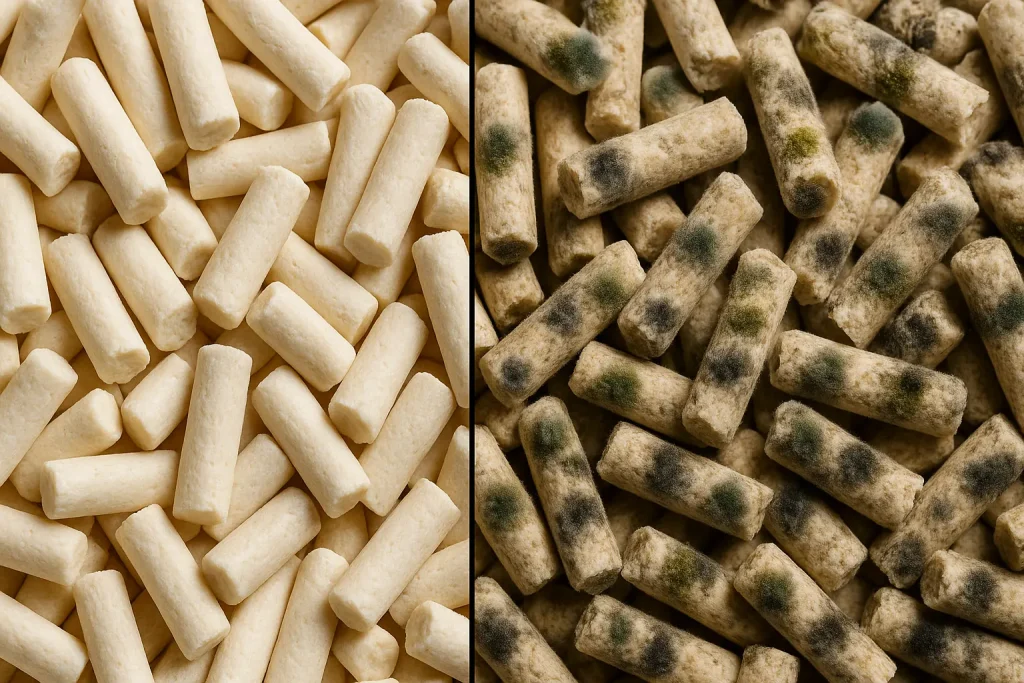
That tiny kitten explores the world with its mouth. Adorable. Until it's their litter. The biggest fear echoed by countless users: kittens ingesting clumping litter. This can lead to serious internal blockages. It's a risk many experienced owners refuse to take.
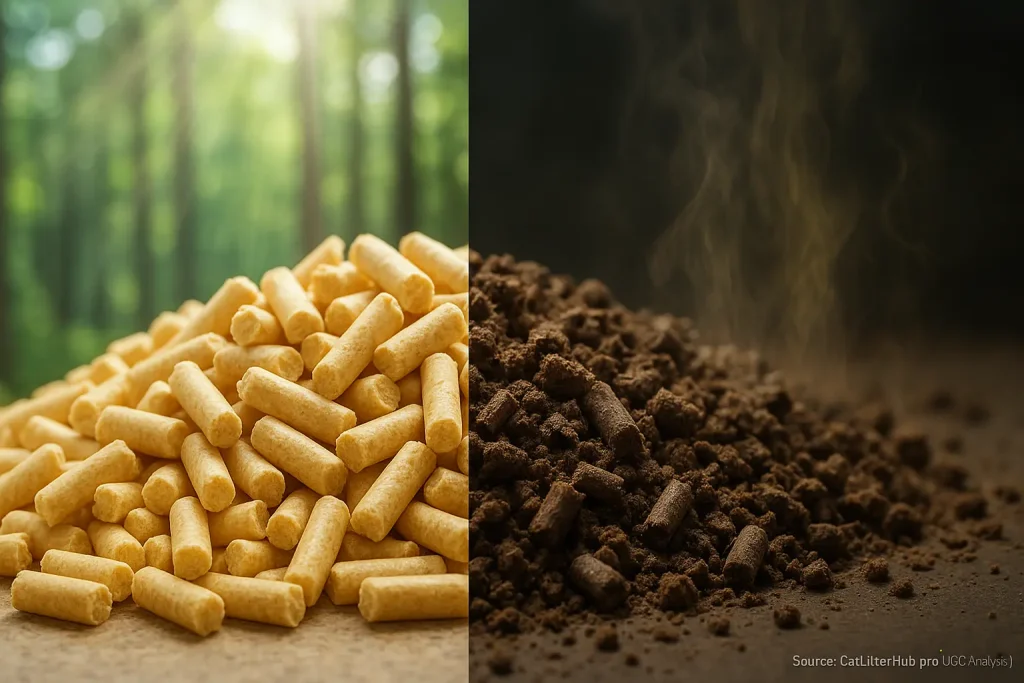
So, what is the safe choice for young felines? Users frequently point to non-clumping varieties for the youngest kittens. Think soft paper pellets. Many owners find these gentle. They report paper pellets are digestible if small amounts are swallowed. Certain pine litters (pellets, not fine crumbles initially) likewise earn nods from users focusing on safety. Some owners choose specific non-clumping clays, though vigilance remains important.
The material is not the only factor, users often say. Trust in a brand’s kitten-safe claims matters. Cat Litter Hub’s data analysis shows clear patterns here. Owners frequently mention established paper pellet brands. They cite specific vet-recommended non-clumping clays as go-to choices for the initial weeks. These shared experiences highlight what genuinely minimizes risk.
But what happens when kittens outgrow the 'eat-everything' stage? That marks a new chapter. It is another user-guided journey Cat Litter Hub will explore.
Soft Paws, Soft Litter: Kitten Texture Preferences Revealed by Users
Imagine walking barefoot on gravel versus soft sand. This contrast highlights your kitten's paw-spective. Their tiny toe beans are incredibly sensitive. User experiences reveal a common pattern. Kittens frequently reject litters that feel too rough or sharp to their paws.
So, what textures earn kitten approval? User feedback overwhelmingly shows success with ultra-soft, fine-grained materials. Recycled paper crumbles, feeling like soft confetti, are a popular choice according to many owners. Certain corn-based litters offer an almost powdery, gentle feel. For older kittens past ingestion risks, users suggest the finest clay grinds for paw comfort.
Your kitten's own reaction, a truth many users discovered, is the ultimate test. One kitten might adore a specific paper pellet when another completely rejects that same texture. User experiences overwhelmingly suggest a clear starting strategy for kitten litter. Offer a soft option first, observe your kitten's response, and prepare to experiment if needed. Their tiny paws will then clearly communicate their preference for comfort.
Litter Attractants for Kittens: Miracle or Marketing? (UGC Debate)
Kitten litter attractants promise easy litter box training. A tempting idea. Marketers often position these products as quick solutions. This pitch especially targets owners of hesitant kittens. Or those with rescues new to home life.
Some kitten fosters and owners report genuine success with attractants. Many online accounts detail positive outcomes. "A sprinkle worked wonders!" is a common sentiment. For these cat parents, attractants become essential tools. Shy kittens often benefit from this extra encouragement.
Many owner accounts tell a different story. No effect. Some kittens actively disliked the added scent. Their viewpoint is clear. Proper litter, box, and placement usually suffice for training. This makes attractants an avoidable expense in their eyes.
What does the collective user experience suggest? Attractants appear to be a 'try-and-see' option. They might help specific kittens. Or specific situations. These products are no substitute for a good setup. Nor can they replace patient training. View them as a potential aid, not a guaranteed fix.
Kitten's First Throne: User-Approved Litter Box Setups
Your kitten's litter box is their tiny throne. Getting this setup right from day one ensures royal success. User experiences constantly highlight a crucial point: what works for adult cats often overwhelms little ones. Tiny paws need special consideration, a fact echoed in countless kitten care discussions.
Low entry is the number one tip from seasoned kitten fosters. Period. Kittens have short legs. They are not Olympic high-jumpers. Many users share frustrating stories of kittens struggling with high-sided boxes, emphasizing this critical accessibility need. Size also truly matters for these tiny explorers. A box too large can intimidate a small kitten; one too small quickly feels cramped as they grow. A common hack shared by kitten fosters involves starting with a simple, shallow tray for easy access and comfort.
To hood or not to hood for your tiny majesty? Most users strongly advise against hoods for very young kittens. Kittens can feel trapped or scared by an enclosed space. Allowing them to acclimate with an open tray first is a widely recommended approach based on collective owner experience. And placement? Thousands of user comments echo the golden rules: choose a quiet, easily accessible spot, always away from their food and water bowls. A scary, rumbling laundry room is a definite no-go, according to widespread owner feedback.
Here's a pro tip many experienced owners wish they knew sooner. Even for a single kitten, an extra litter box option in a different spot can make a surprising difference. More choices often lead to less stress for your little one. This simple strategy, frequently highlighted in user forums, helps prevent accidents and encourages good habits early on.
Pawsitive Reinforcement: Gentle Kitten Litter Training Secrets from Users
Litter training a kitten isn't a race; it's a gentle dance of patience and understanding. The golden rule echoed by thousands of successful kitten raisers? Positive vibes only. Kittens respond to kindness. Scolding creates fear, hindering progress significantly.
So, what are these user-tested secrets? Consistently placing your kitten in the box after meals, upon waking, and after playtime is a top tip from experienced owners. Many users also gently simulate digging with the kitten's paws – just once or twice – to trigger their natural instinct. It sounds simple. Yet, countless reviews confirm it works wonders for many young felines.
The magic ingredient, according to a chorus of user voices, is immediate positive reinforcement. A soft 'good kitty!' can be very effective. A gentle head scratch also works well. Many recommend a tiny, special treat the moment they successfully use the box. (Crucially, not before, and not too long after!) This careful timing builds a powerful positive association with the litter box. And what to do about accidents? Clean them thoroughly with an enzymatic cleaner. Users can't stress this enough for eliminating odors that might attract repeated soiling. Absolutely, positively, never punish your kitten for an accident. Punishment only teaches fear, a warning echoed in countless owner experiences and a major setback to training.
Remember, consistency is your superpower in this process. Every positive experience reinforces the good habit, making successful litter box use routine. Users who diligently stick to these gentle, patient methods almost universally report a smoothly trained kitten. This commitment also fosters a much happier, stress-free household for everyone.
Your Kitten's Perfect Litter Setup: Interactive Checklist
Kitten Litter Setup Checklist
This checklist helps you cover essential bases for a kitten-friendly litter setup. Getting these right substantially improves your chances of successful, stress-free litter training from the get-go. Many cat owners report that a thoughtful initial setup prevents future litter box problems.
Remember, these guidelines draw from collective user wisdom. Every kitten is a unique individual. The most crucial tip users frequently share? Observe your little one closely. Their behavior and comfort level are your best guides. Sometimes, a small tweak makes all the difference for litter box bliss.
Happy Kitten, Happy Home: Nurturing Good Litter Habits from Day One
Kitten's first litter box weeks are foundational. A positive introduction, as user experiences confirm, nurtures lifelong good habits. This early effort creates a cleaner home. It also builds a confident, happy kitten.
Choosing kitten litter can feel overwhelming. New owners often face stressful guesswork. Shared user experiences, however, offer a clear roadmap. Cat Litter Hub synthesizes this collective wisdom, turning thousands of owner stories into actionable advice. This community insight saves you considerable trial, error, and anxiety.
The goal is simple. A confident kitten uses the box. You enjoy a clean home and happy purrs. Patience, a good setup, and insights from fellow cat parents make this achievable. Cat Litter Hub’s analysis of extensive user experiences provides that reliable, empowering guidance for your kitten's best start.