The Unsettling Link: Can Your Cat's Litter Choice Really Trigger Spraying?
That sudden spray. Your new curtains are marked. Or worse, your cherished armchair. You've diligently cleaned the litter box. The vet confirmed no UTI. So, what is happening? Could your cat's litter be the trigger? This question sparks intense discussion among cat owners online.
Spraying is not simple urination. This difference matters greatly. Spraying often signals territorial behavior; cats typically stand, targeting vertical surfaces with small urine amounts. Inappropriate urination usually involves squatting and larger volumes, frequently pointing to medical concerns or litter box aversion. The situation confuses many. One day, your cat uses the box faithfully. The next, a targeted spraying campaign starts. Countless owners then ask: "Did this new 'pine fresh' litter just challenge my cat's sense of security?"
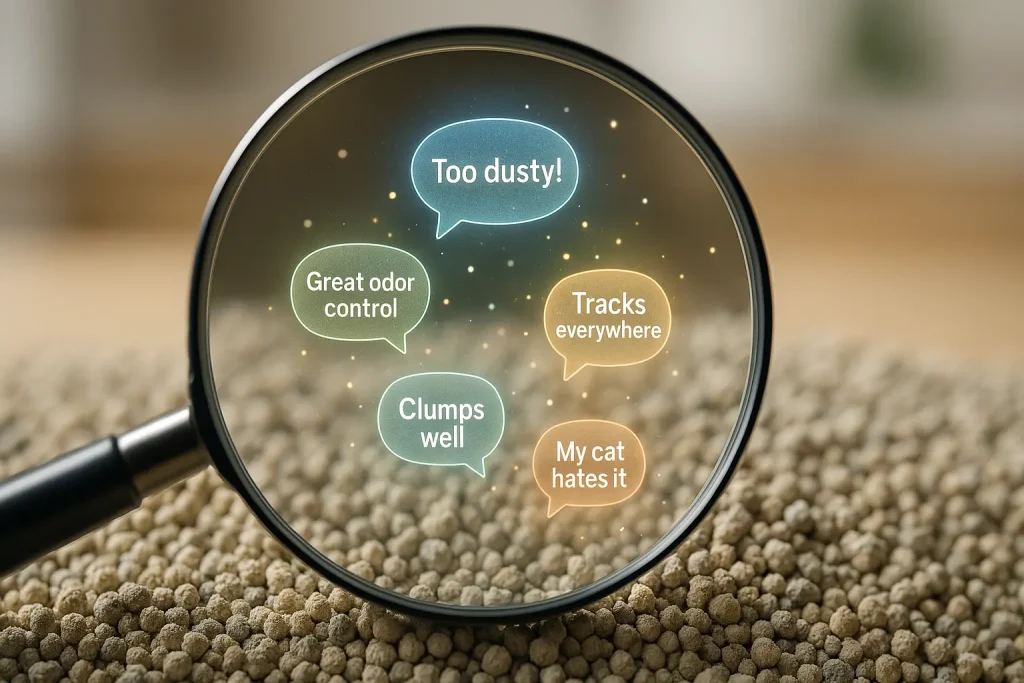
Cat Litter Hub explores this litter-spraying connection. We meticulously analyze thousands of genuine user reports. Our team seeks patterns. Remember, a veterinarian must rule out medical problems first. This initial step is absolutely critical. But what if, after all medical checks, the litter itself remains a suspect? Our analysis sifts through voluminous owner feedback, searching for these elusive clues and shared experiences.
Scent Overload: When "Fresh" Litter Becomes a Territorial Red Flag (UGC Reports)
Your cat's nose knows. It experiences the world through scent far more intensely than you do. What smells 'clean laundry fresh' to a human can be an olfactory assault to your feline friend. Cats, by nature, use their own subtle scents to mark territory and feel secure.
Time and again, owners share concerning stories in their reviews. A typical account: "Switched to X brand's lavender litter, and boom, the spraying started." This narrative is a common thread appearing in user feedback, especially with heavily perfumed artificial litters. Some cats, it seems from these numerous reports, view these powerful new smells not as an enhancement. They perceive them as an invasion by a rival 'scent marker'. Even some 'natural' scents, like strong pine or cedar, can overwhelm sensitive feline noses, leading to what many users describe as 'scent protest spraying'.
So, is your cat trying to 'out-scent' the overpowering fragrance in its litter box? It's a plausible theory emerging directly from countless user observations. These cat parents believe their companions are essentially trying to reclaim their personal space. Their cats' actions seem to shout, "This is MY spot, not yours, Mr. Artificial Forest Pine!" The intense litter scent competes with their natural territorial signals.
Many user experiences point towards a straightforward approach for prevention. Unscented litters frequently become the safest, most accepted choice, according to these widespread owner reports. This is particularly true for cats known to be scent-sensitive or those with strong territorial instincts. The community consensus? Less is often more for a peaceful litter box.
Texture Turmoil: The Paw-Ful Truth About Litter Aversion and Marking (User Experiences)
Litter smell is one factor. Paw feel is another. For your cat, the litter box offers a deeply tactile experience. Imagine walking barefoot on sharp gravel. Or perhaps sticky mud. Some litters, user experiences suggest, potentially feel exactly like that to sensitive cat paws, a truly paw-ful situation.
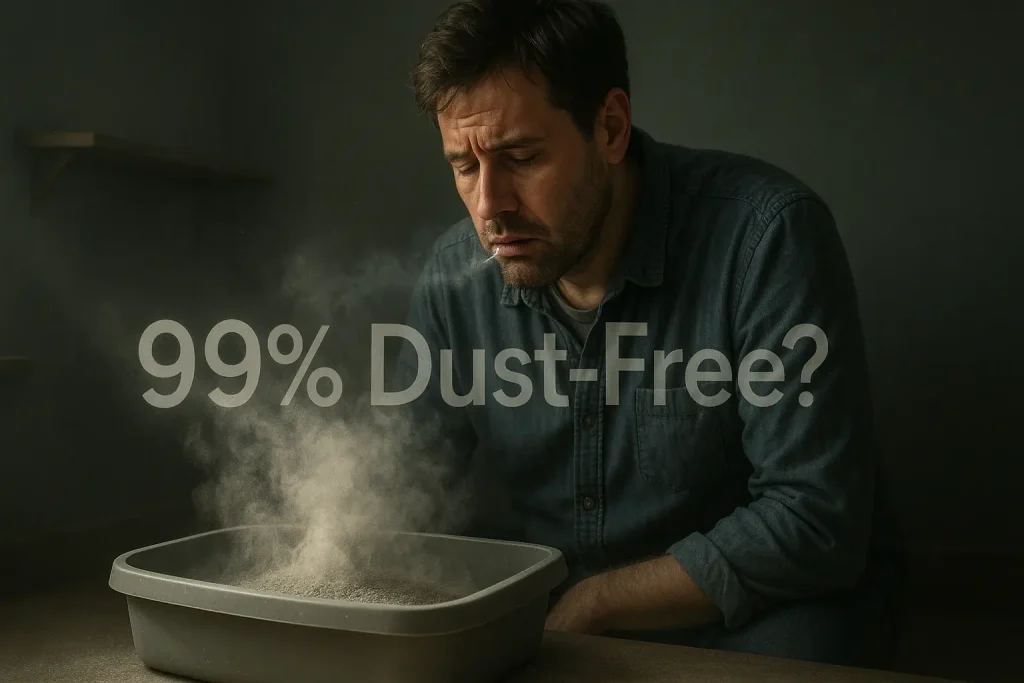
Many owners share similar troubling stories. Cats suddenly avoid the litter box. Some even begin spraying nearby after a change in litter texture. "He just wouldn’t step on those large pellets!" is a common observation found in countless user reviews. Other owners report sharp crystals seeming to hurt their cat's paws, leading directly to urination right beside the box. It is not always about physical pain. Preference matters immensely. Many users find some cats absolutely detest the sensation of fine, dusty litter. This material clings to their fur, which can cause stress, significant over-grooming, and sometimes, this distress links to marking behaviors.
Digging is a natural feline instinct. Covering waste is also a core part of their ritual. An unpleasant litter texture often prevents comfortable digging and covering. This inability for a cat to perform its natural bathroom ritual can be a significant, often overlooked, stressor. That pent-up frustration, the collective voice of cat owners suggests, then manifests in other undesirable ways, including marking territory to express profound displeasure or anxiety.
Litter texture preferences are intensely personal for felines. What one cat adores and happily uses, another might utterly despise. Ignoring these highly individual preferences can sometimes create serious, hard-to-solve behavioral issues. The wrong texture, many community experiences indicate, might just be the hidden reason your cat is protesting outside the box. Observing your cat's reaction is key.
Stress, Anxiety, and the Litter Box: Unraveling Complex Triggers (Beyond Just Litter)
Okay, scent and texture matter. We know this. But sometimes, litter box problems run deeper than just the litter itself. Your cat’s world is complex. Feline stress, our analysis of user experiences consistently shows, often drives marking behaviors.
Think new pets. A new baby. Even a major furniture shuffle. Countless owners describe marking behaviors appearing during these exact periods. The litter box, a very personal space for your cat, frequently becomes the outlet for this pent-up anxiety. What experienced owners often connect is a direct line from household upheaval to new spraying incidents.
An already stressed cat lives on a knife's edge. Now, imagine adding a litter they secretly detest. Perhaps it's too dusty. Maybe the perfume is offensive to their sensitive nose. That seemingly small litter complaint can become the absolute tipping point. It’s the final straw. This often pushes them into a full marking protest. It's like having a truly awful day, then discovering someone swapped your comfy slippers for sandpaper ones. You might just protest too, right?
So, if spraying is happening, absolutely scrutinize the litter. Our user review analyses can guide that. But also, become a feline detective. Look at the bigger picture. What else shifted in their world? What could be causing underlying stress? Effective solutions, as reported by many successful owners, often mean tackling both the environmental or social triggers and the litter box setup. Remember, Cat Litter Hub always advises a veterinary check-up as your first step to rule out any medical conditions. We help you understand behaviors; vets diagnose health.
What Users Say Works (or Doesn't): Litter Strategies for Marking-Prone Cats
So, is there a magic litter stopping all spraying? Spoiler: probably not. Cat behavior is far too nuanced. But, by piecing together thousands of owner experiences, clear trends emerge. These trends show what helps. They also show what definitely doesn't.
Overwhelmingly, users report more success with unscented litters. Fine-grained, sand-like textures also get a lot of thumbs up from owners of previously marking cats. The theory? These most closely mimic what a cat would choose in nature, reducing one potential stressor.
On the flip side, some litters often cause problems. Heavily perfumed litters are frequently cited in user experiences. Very coarse pellets, especially for sensitive paws, also gather negative reports. Dusty litters are another common complaint. These types are often linked to increased marking. Sometimes, cats avoid the box entirely. It's not universal. But the pattern from owner feedback is strong. Caution is wise. And here's a big one many users swear by: more boxes! Providing multiple, clean, accessible boxes in quiet spots is key. This strategy, users report, often curbs marking more than any single litter type.
Ultimately, your cat is the final judge. Pay close attention. Observe their behavior. Be prepared to experiment. Do it slowly! Remember, litter is just one part of a happy, stress-free environment. What works for one cat might fail for another.